The Cool and Strange History of the Compass
We all know the compass as that little tool that helps you find your way when you’re lost—whether you’re hiking in the woods, out at sea, or even trying to find your way around a new city. But have you ever stopped to think about how the compass came to be? It’s got a pretty fascinating history that’s not just about finding directions. It’s about exploration, mystery, and some seriously strange beliefs.
How It All Began
The compass wasn’t always the sleek, practical tool we use today. Believe it or not, it actually started out as something totally different. Way back in ancient China, around the 2nd century BC, the compass was originally used for something more mystical than it was for getting from point A to point B. Early compasses were actually made from lodestone, a magnetic rock, and were used for feng shui, which is all about creating harmony in your environment.
Back then, the Chinese noticed that these rocks always pointed south when placed on a surface, and that’s when they started using them to help with things like building homes or tombs in the right direction, based on the earth’s magnetic properties. It wasn’t a “navigation” tool at first, but more of a spiritual one. Imagine that! Something as simple as a magnetic rock helping people find balance in their lives.
Enter the West
Fast forward to the 12th century, when the compass made its way westward to Europe. The compass as we know it didn’t look exactly the same back then, but it was starting to take shape. Thanks to the Silk Road, the exchange of goods, knowledge, and ideas between China and Europe was happening, and that’s how the compass made its big debut in the West. By the 13th century, sailors in Europe were starting to use magnetic compasses for navigation—meaning, they could travel across seas without relying solely on the stars. This was a huge deal.
Before the compass, sailors mostly had to navigate by the stars, the sun, or landmarks. They couldn’t rely on the weather or time of day, which made sea travel super risky. But with the compass, sailors could sail through bad weather, at night, and to places they’d never been before. It opened up the world in ways that weren’t possible before. If it weren’t for the compass, we probably wouldn’t have had the Age of Exploration, which brought explorers like Columbus and Vasco da Gama to new lands. So yeah, it’s safe to say the compass was pretty important.
Strange Beliefs and Myths Surrounding the Compass
Here’s where it gets a little weird: as useful as the compass was, people didn’t fully understand why it worked. All they knew was that the needle always pointed in the same direction, and that was something pretty magical. In some cultures, the compass was treated almost like a good luck charm—sailors thought that it could guide them to hidden treasures or even bring them closer to divine forces. Some believed that the compass had supernatural powers, like showing the future or leading them to safety in battle.
For a long time, nobody knew exactly why the compass worked the way it did. It wasn’t until later that scientists figured out that it was the Earth’s magnetic field that made the needle point north. But for a while, it was a total mystery, which made it seem even more magical.
The Compass Through the Ages
As the world started to change, so did the compass. In the 15th century, it became an essential tool for explorers who were traveling to far-off places. Without it, navigating the vast oceans would have been almost impossible. By the 19th century, compasses were smaller and more portable, with pocket compasses becoming all the rage. They were easy to carry around and made for a perfect tool for adventurers who were exploring new lands, or even just hiking through the woods.
Then came the gyrocompass, invented in the early 20th century, which used the Earth’s rotation to help ships and airplanes find their direction. This was a game-changer, especially for military navigation during World War II. The gyrocompass was way more accurate than the regular magnetic compass, and it helped modernize navigation technology for the next several decades.
Recent Podcast Episodes

Recent Adventures



Subscribe Today!
Subscribe
Your Ad Here!

Other Adventures You May Like

Tell Fara: The Flood Layer Just Found Beneath Iraq’s Oldest Known Ruins
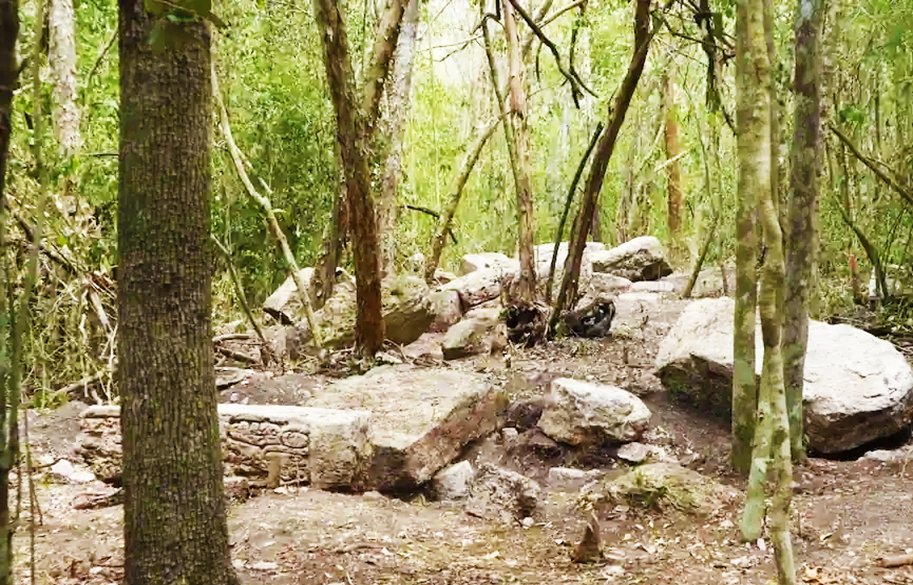
Minanbé: The Untouched Maya City Hidden So Well Archaeologists Had to Machete Through Miles of Jungle to Find It