
The Sweetest Places on Earth: Where to Go If You Travel for Dessert
Some people plan trips around museums. Some plan around hiking trails. Then there are those of us who look at a map and think mostly about what’s for dessert. I’d argue we get the better end of that deal. It sounds frivolous until you notice where it actually takes you. Dessert tourism has a habit of depositing you in dissolved monasteries and family shops that have outlived several governments. Also in one nine-year court case about where the jam goes. The pastry is usually the least interesting part of the story.
Vienna, Austria
Sachertorte is a dense chocolate cake with apricot jam and a dark chocolate glaze. It also comes with the pettiest legal drama in dessert history, which is frankly most of its charm. A 16-year-old apprentice named Franz Sacher invented it in 1832 under fairly desperate circumstances. The head pastry chef had called in sick, Prince Metternich needed something for his guests that evening, and Franz improvised. It went over well enough that the family name stuck to the cake permanently. His son Eduard refined the recipe years later while training at Demel, the famous Viennese pastry shop. Then he opened the Hotel Sacher in 1876. Which left two businesses with a completely legitimate claim to the same cake.

Naturally, they sued each other. The case dragged from 1954 to 1963, and the Viennese press gleefully called it the Tortenstreit, the cake war. It eventually settled out of court. Hotel Sacher won the right to call its version the Original Sacher-Torte, and Demel got the Eduard-Sacher-Torte. So what consumed nine years of legal argument? Where the apricot jam sits. Hotel Sacher runs a layer through the middle. Demel puts it only under the glaze on top. That’s it. That’s the whole dispute.
Lisbon, Portugal
Pastéis de Belém are custard tarts. And no, they aren’t the same thing as the pastéis de nata sold at every bakery in Lisbon. These are the original, and this shop is the only place on Earth legally allowed to use that name. Monks at the Jerónimos Monastery in Belém developed them. When Portugal dissolved the monasteries in 1834, the monks suddenly needed income. So they sold the recipe to a nearby sugar refinery. The shop opened in 1837 and has run continuously ever since. Same building, descendants of the same family.
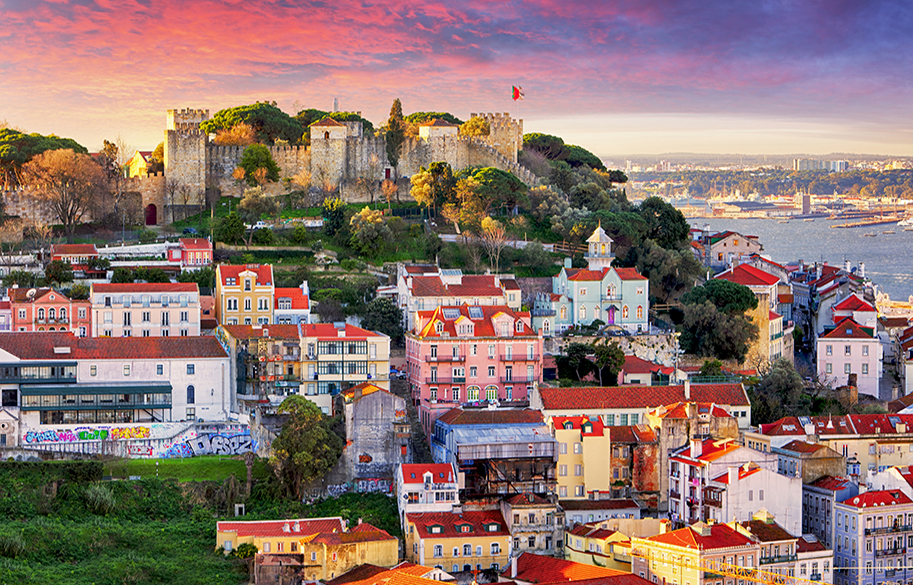
The recipe is what makes this a destination rather than a snack stop. Only three to six people alive know it in full. They mix it in a locked room called the Oficina do Segredo, the workshop of the secret. The knowledge passes strictly by apprenticeship. Nothing is written down outside that room. TasteAtlas ranked it the number one sweet pastry in the world for 2025 and 2026, which feels about right.
Naples, Italy
Sfogliatella is a shell-shaped pastry built from hundreds of paper-thin layers, filled with sweetened ricotta, semolina, and a little candied citrus. The construction is honestly a bit show-offy. Bakers stretch the dough into an enormous translucent sheet and roll it into a log. Then they slice and shape each piece so the layers fan outward like a clamshell. It came out of a convent too, on the Amalfi Coast in the 1600s. A Neapolitan pastry chef named Pasquale Pintauro got hold of the recipe in the early 1800s. He turned it into the thing Naples is now known for. His shop on Via Toledo is still going. Try the riccia, which is the crispy layered version, rather than the softer frolla. And get it hot. While you’re in town, Naples also does babà, a rum-soaked yeast cake that arguably deserves its own trip.

Oaxaca, Mexico
Oaxaca does chocolate the way it was done before Europe got hold of it. Stone-ground cacao mixed with cinnamon and almonds and sometimes chili, and usually drunk rather than eaten. Walk down Mina Street and you’ll smell it well before you see it. The shops grind cacao right out in the open. Most will let you pick your own blend and watch it go through the mill. What you get is grainier and far less sweet than anything in a supermarket. It also tastes considerably more like a plant. That takes about four sips to adjust to, and then it ruins you for the other stuff.
Order a champurrado, a thick masa-based chocolate drink, or hot chocolate whisked with a wooden molinillo until it foams. Oaxaca also does nieves, sorbets in flavors like leche quemada and rose petal, sold from carts around the Alameda.

Bruges, Belgium
Bruges is a small medieval city that has quietly turned into one of the densest dessert destinations in Europe. Chocolate shops sit on essentially every block. The good ones make their pralines on site rather than buying them in. Learning to spot the difference takes about a day. The waffles are the other reason to come, and the Liège waffle is the one you want. It uses a yeasted dough studded with pearl sugar that caramelizes against the iron. You get a crisp candied shell around a chewy middle. The Brussels waffle is lighter, rectangular, and built for toppings. Both are legitimate. The Liège is the better street food by a comfortable margin.

Kyoto, Japan
Kyoto’s wagashi tradition grew up alongside the tea ceremony, and neither makes much sense without the other. These are small, restrained, seasonal sweets designed to balance the bitterness of matcha rather than to be eaten on their own. The seasonality is strict and taken seriously. Shops rotate their offerings through the year. The shapes reference cherry blossoms, maple leaves, or snow, depending on what month you’ve turned up in. The ingredient list barely changes: sweet bean paste, rice flour, agar, sugar. All of the skill lives in the execution.
Try warabimochi dusted with roasted soybean flour, or namagashi, the fresh sweets served at tea ceremonies. Several Kyoto shops have been running for centuries, and a few claim origins well over a thousand years back. It’s the polar opposite of a Belgian waffle in every respect, and it absolutely belongs on the same list.
Recent Podcast Episodes


Recent Adventures


Subscribe Today!
Subscribe
Your Ad Here!

Other Adventures You May Like

Kayaköy Was Emptied in a Population Exchange and Left to Stand Empty

The Last Inca Rope Bridge Is Rebuilt by Hand Every Year Out of Grass
