What You Need to Know Before You See The Odyssey: The Real Mythology and the Trojan War Behind It
Here’s the thing nobody tells you about the Trojan War before you watch a movie about its aftermath. The whole conflict kicked off because a teenage boy was bribed with a woman he’d never met. The one doing the bribing was a goddess who wanted to win an argument at a party she wasn’t even invited to. Ten years, thousands of deaths, and one very famous wooden horse later, the “winning” side came home to find the gods weren’t done punishing them either. That’s not me editorializing. That’s just what the myth says happened. Homer’s original audience already knew all of this walking in. You don’t have to be that person. Here’s the fast version.
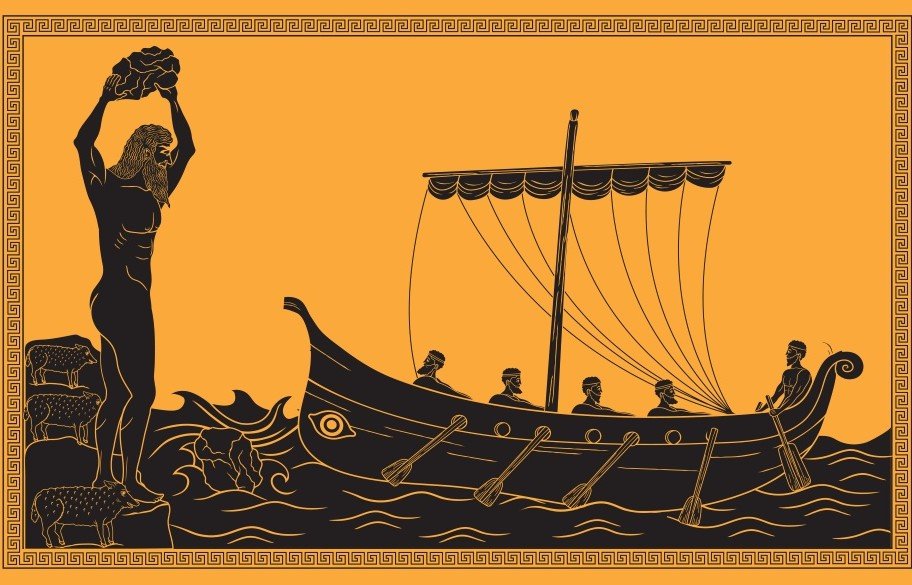
An Uninvited Goddess Ruins a Wedding, and Somehow Starts a War
Eris, goddess of discord, didn’t get invited to a wedding. Fair enough reaction, honestly, to crash it and toss a golden apple into the crowd labeled “for the fairest.” Three goddesses immediately started arguing over who deserved it: Hera, Athena, Aphrodite. Zeus apparently understood self-preservation better than most gods in this story. He refused to touch that decision with a ten-foot scepter, and handed it off to a random Trojan prince named Paris instead.
The bribes tell you everything about how ancient Greek storytelling actually worked. Hera offered political power. Athena offered wisdom and battlefield victory. Aphrodite skipped the abstract stuff and offered Paris the love of the most beautiful mortal woman alive. He picked Aphrodite. Of course he did. The woman in question, Helen, had one small complication: she was already married.
One Oath, and Suddenly Everyone’s Problem
Helen’s husband was Menelaus, king of Sparta. When Paris took her back to Troy, Menelaus did what any furious husband with a powerful brother does. Whether it counted as seduction or kidnapping depends entirely on which ancient poet you ask. He called Agamemnon, the most powerful king in Greece, and got the whole country involved.
Here’s the detail that actually explains why half of Greece showed up for someone else’s marriage drama. Years before any of this, when Helen was choosing between suitors, her stepfather got nervous about the losers holding a grudge. So he made every single suitor swear an oath in advance to defend whoever she picked. That oath is the entire reason this became a continent-spanning war instead of one angry husband showing up at a door. Most of the kings who sailed for Troy had never met Helen and couldn’t have cared less about her marriage. They were legally, magically, mythologically stuck.
Two of the war’s biggest names tried to get out of their obligation entirely. Honestly, that says more about how badly nobody wanted this fight than any of the heroic speeches that came later. Achilles’s mother hid him disguised as a girl among a king’s daughters, because a prophecy said Troy would kill him. Odysseus faked insanity, plowing his fields with salt instead of seed, until someone tested him by putting his own infant son in the plow’s path. He swerved. Sanity confirmed. Draft reinstated.
Ten Years, One Furious Warrior, Gods Who Wouldn’t Stay Out of It
The gods split into camps almost immediately, still holding onto their golden apple grudges. Hera, Athena, and Poseidon backed the Greeks. Aphrodite, Apollo, Ares, and Artemis backed Troy. Zeus mostly stayed neutral, except on the one occasion his own child’s mother personally asked him for a favor on Achilles’s behalf.
Achilles is the actual engine of the Iliad, and his story is less “invincible hero” and more “extremely talented guy with one very specific fatal design flaw.” His mother had dipped him in the River Styx as a baby, holding him by one heel. That heel stayed the single unprotected spot on his entire body. Partway through the war, a dispute with Agamemnon over a captured woman sent him into a full walkout. He refused to fight while the Greeks lost badly without him. He only returned after his best friend Patroclus borrowed his armor and got killed by Troy’s own best fighter, Hector. Achilles killed Hector for it. Not long after, Paris put an arrow through that one heel, with the god Apollo apparently steadying his aim. That was the end of the greatest warrior alive.
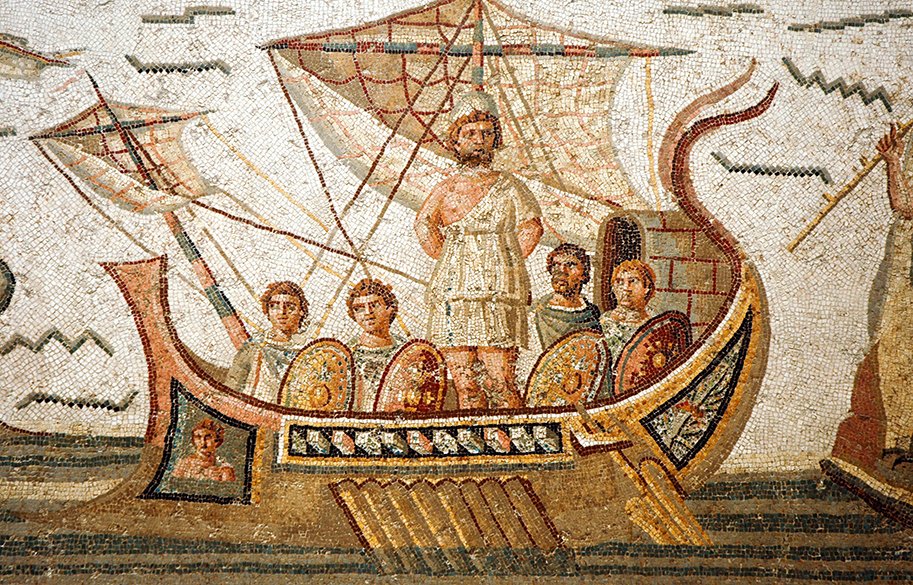
The Horse Was Always Odysseus’s Idea, Which Matters More Than You’d Think
After ten years of neither side budging, it was Odysseus, not some general or a god, who actually ended the war. His plan: build a massive hollow horse, hide your best fighters inside it, and pretend to sail home in defeat. A soldier named Sinon stayed behind specifically to sell the Trojans on the idea that the horse was a peace offering. A priest named Laocoön warned them not to trust it, delivering the famous line about fearing Greeks bearing gifts. Nobody listened. The horse went through the gates. The city celebrated its own doom late into the night.
One detail from Homer’s own text rarely makes the modern retelling. Helen herself walked around the horse that night, imitating the voices of the hidden soldiers’ wives, testing whether she could trick any of them into blowing their cover. A few nearly did. Odysseus kept everyone quiet. That’s the whole point of the sequel you’re about to watch, by the way. The guy who wins wars through cleverness instead of muscle is exactly the guy who’s about to spend ten more years proving cleverness alone doesn’t get you home safely.
Winning Didn’t Mean the Gods Were Finished
The sack of Troy was brutal, and it’s directly why almost no Greek hero got an easy trip home. The gods, offended by how far some of the victors went, turned on the army they’d just helped win. Agamemnon came home to get murdered by his own wife. One hero named Ajax went mad and ended his own life. The other drowned at sea, allegedly on Poseidon’s own orders. Even the losing side didn’t fully lose. Aeneas escaped the burning city and eventually landed in Italy. Later Roman tradition credited him as the ancestor of Rome itself. Troy’s defeat somehow ends with Troy’s own bloodline founding an empire.
And Odysseus, the one man whose cleverness actually won this whole war, got the longest punishment of anyone. Ten years at sea.
Recent Podcast Episodes

Recent Adventures


Subscribe Today!
Subscribe
Your Ad Here!

Other Adventures You May Like
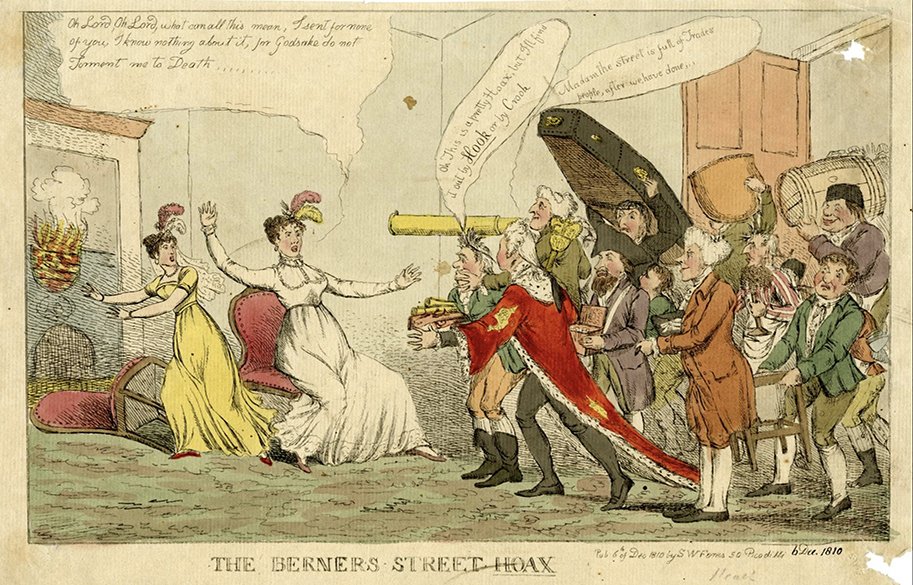
The Berners Street Hoax Buried One London Address in Unwanted Deliveries

Nils Olav, the Penguin the Norwegian Army Keeps Promoting