
10 Surprising Facts You Probably Didn’t Know About Boulder, Colorado
Boulder, Colorado, is often associated with mountain views, outdoor recreation, and the University of Colorado Boulder. Beyond its scenic surroundings, the city has a fascinating history shaped by ancient geological forces, conservation efforts, and unusual local stories.
Even topics as unexpected as a GameZone casino can sometimes enter modern conversations about digital entertainment and leisure, but Boulder itself offers plenty of real-world surprises worth exploring. Here are 10 surprising facts that reveal a different side of Boulder.
1. The Flatirons Are Hundreds of Millions of Years Old
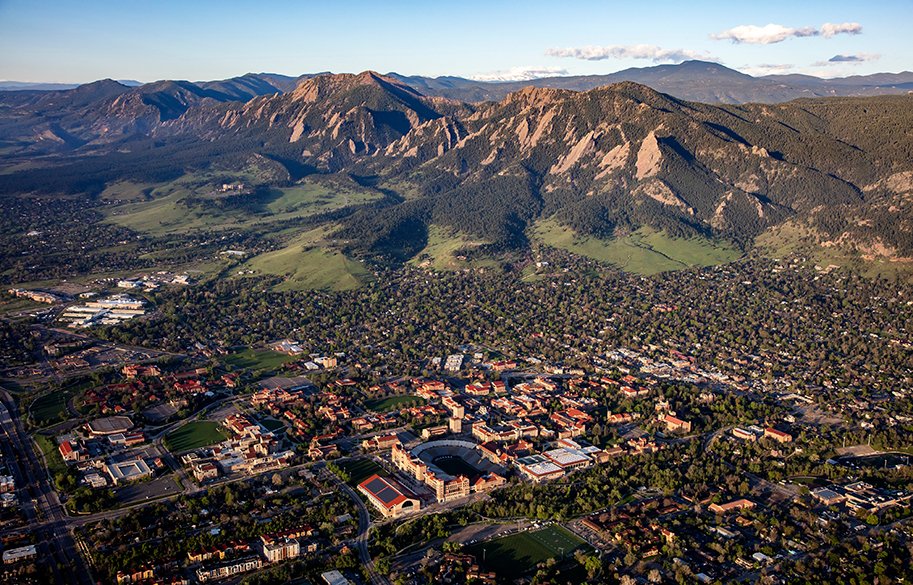
The famous Flatirons is one of Boulder’s most famous characteristics. The unique rock formations are created by a geological process that occurred thousands of years ago. Today these formations are one of the most used symbols of this city and represent an inseparable part of the city’s identity.
2. Some Rocks Near Boulder Are More Than 1.7 Billion Years Old
The region surrounding Boulder is home to some very old rocks. Among the geological formations near Flagstaff Mountain is Boulder Creek granodiorite, which is believed to be about 1.7 billion years old.
This indicates that the rocks in the ground were around before humans, the current mountains, and even the dinosaurs. As such, Boulder serves as a natural textbook for people who are interested in geology.
3. Boulder Has Protected Tens of Thousands of Acres of Open Space
A remarkable success for the city has been that extensive open-space conservation program. The city of Boulder has preserved more than 46,000 acres of open space and mountainous parks.
The area serves as habitat for various animals and preserves the surrounding areas of the city. This is one of the reasons why Boulder feels so much in touch with nature amid a rather developed community.
4. Boulder’s Open-Space Story Began in the 1800s
Boulder has been committed to the preservation of its natural areas. The city began buying land for open space in 1898. That early decision established Boulder a solid attitude to it. Over years, Boulder’s open-space program grew continually, transforming into an instrumental instrument of the city’s land management.
5. The Flatirons Were Once Called Something Else
The name “Flatirons” may seem obvious today, but the formations have been known by other names throughout history. Earlier names included “The Crags” and “Chautauqua Slabs.”
The modern name comes from their resemblance to the flat, triangular shape of old-fashioned clothes irons. Their unusual appearance has helped make them instantly recognizable even to people who have never visited Boulder.
6. Someone Once Climbed a Flatiron on Roller Skates
Boulder’s climbing history contains some genuinely unusual stories. In 1953, a climber reportedly ascended one of the Flatirons while wearing roller skates.
It is the kind of story that sounds almost impossible today, which is precisely what makes it memorable. The stunt has become one of the quirky pieces of history associated with Boulder’s famous rock formations.
7. Boulder Is Famous for Its Sunshine
Boulder is often described as receiving around 300 days of sunshine a year. While the exact number depends on how sunshine is measured, the reputation reflects the city’s generally sunny climate.
Its location along the Front Range contributes to the combination of mountain scenery and relatively bright weather. The sunshine is also one reason outdoor activities play such a prominent role in local culture.
8. Chautauqua Has a Much Deeper History Than Its Hiking Trails
The Chautauqua area is now strongly associated with hiking, concerts, and views of the Flatirons. However, its history goes well beyond recreation.
Boulder’s Chautauqua was established as part of the broader Chautauqua movement, which promoted education, culture, and public lectures. The Boulder site opened in 1898 and became an important destination for learning as well as entertainment.
9. Boulder’s Landscape Is Part of Its Identity
In many cities, natural areas are separated from everyday urban life. Boulder is different. Mountains, trails, creeks, parks, and protected open spaces are closely connected to the city’s neighborhoods and community life.
This relationship between the built environment and surrounding landscape is one of the most distinctive things about Boulder. Its geography has influenced not only recreation but also the city’s development and character.
10. Boulder Will Become the New Home of the Sundance Film Festival
Boulder has also attracted attention for reasons that have nothing to do with mountains. The Sundance Film Festival selected Boulder as its future home beginning in 2027, replacing Park City, Utah, as the festival’s primary location.
The decision adds another cultural dimension to a city already known for education, science, environmental interests, and the arts.
Conclusion
The geological makeup of Boulder is only one of the factors that contribute to its stone-clad reputation. The evolution of Boulder is closely associated with ancient rocks, a revolutionary approach to conservation, and a rich and extraordinary climbing legacy. The educational influence of Chautauqua also plays a pivotal role.
All these factors help to confirm Boulder’s reputation as a very special place.
Recent Podcast Episodes

Recent Adventures



Subscribe Today!
Subscribe
Your Ad Here!

Other Adventures You May Like

Nils Olav, the Penguin the Norwegian Army Keeps Promoting

A Guide to Caravan Sales in NSW for First-Time Buyers
