

Kitty Genovese and the “38 Witnesses” Story That Turned Out to Be Wrong
For fifty years, one number defined an entire generation’s understanding of human indifference. Thirty-eight. That’s how many people supposedly watched a young woman get killed outside her Queens apartment. Supposedly, none of them did anything at all. The number appeared on the front page of the New York Times. It got taught in psychology textbooks.…
Read More 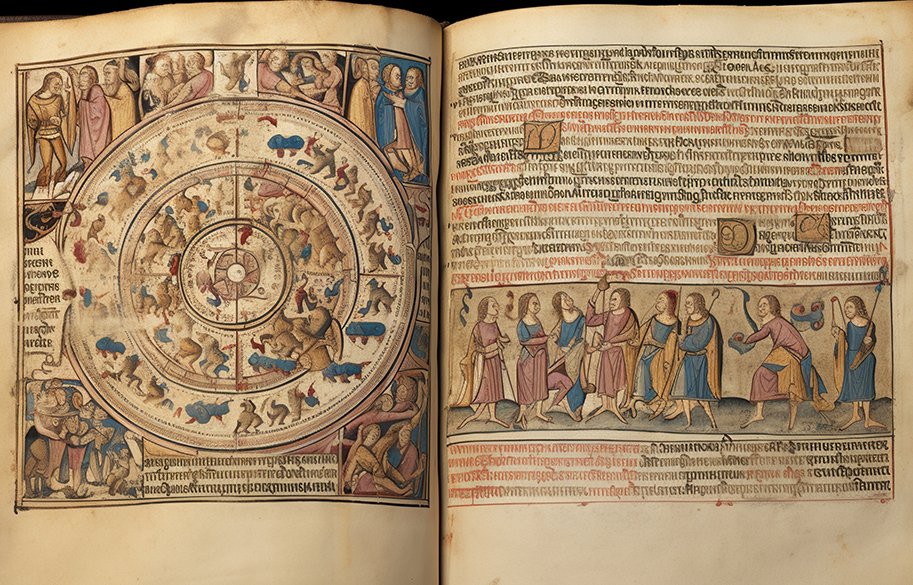
The Rohonc Codex: The Other Undeciphered Manuscript Nobody Can Crack
Everyone knows the Voynich Manuscript by now. It’s the internet’s favorite unsolved mystery book, all those strange botanical drawings and looping, alien handwriting nobody’s ever cracked. But Hungary has its own version sitting quietly in an academy library. Honestly, it might be the weirder puzzle of the two. It’s called the Rohonc Codex. After nearly…
Read More 
How Crowd Dynamics Actually Works, and Why Crowds Turn Deadly
Every time a crowd disaster makes headlines, the same word shows up: stampede. People picture panic, trampling, everyone running in different directions. Here’s the thing though. That’s almost never actually what happened. Getting this wrong isn’t just a media annoyance either. It’s part of why these disasters keep repeating. It’s Not Trampling, It’s Compressive Asphyxia…
Read More 
Human Echolocation: The Real Skill Letting Blind People “See” With Sound
When expert blind echolocators process the echo from a click, their brains light up in the visual cortex. That’s the same region sighted people use to actually see. Not the hearing center. The seeing one. As far as their brain is concerned, they’re not just listening to an echo. They’re looking at something. A Kid…
Read More 
Vantablack, the Blackest Color Ever Made, and the Artist Who Wouldn’t Share It
A British company invented a material so black it doesn’t look like a color anymore. It looks like a hole. Then one artist made sure he was the only person on Earth legally allowed to use it in art. That decision kicked off one of the pettiest, funniest feuds in modern art history, and it’s…
Read More 
The Psychology of Power: Why Terrible People Keep Ending Up in Charge
A 2007 study found something genuinely striking. Personality traits linked to manipulation, grandiosity, and a lack of empathy show up roughly four times more often among people in actual leadership roles than in the general population. That’s not a coincidence, and it’s not really a mystery either. Psychologists have spent decades studying exactly why this…
Read More 
Aboriginal Australians Have a 60,000-Year History. So Why Do So Few People Know It?
Aboriginal Australians represent the oldest continuous culture on Earth. Not the oldest culture that eventually ended and got replaced by something else. The oldest one still here, still practiced, still unbroken, going back at least 65,000 years. Most history taught in schools worldwide starts thousands of years later. That gap isn’t really a mystery once…
Read More 
The Svalbard Global Seed Vault: Inside the Vault Built to Survive the End of the World
Somewhere in the Arctic, buried inside a mountain, sits humanity’s backup copy of agriculture itself. It doesn’t matter whether it’s nuclear war, asteroid strike, or your garden-variety civil war. If the crops your country depends on ever get wiped out, there’s a frozen vault on a remote Norwegian island holding a spare set. And in…
Read More 
The GATE Program Conspiracy: Why an Entire Generation Believes Gifted Class Was a Secret CIA Experiment
Somewhere on TikTok right now, a thirty-something is sitting in front of a ring light explaining that their childhood gifted class was actually a CIA front operation. They pulled kids out of regular class. They put headphones on them. They ran pattern-recognition tests nobody explained and never returned results for. Now, decades later, the theory…
Read More 
Neurocriminology: What Brain Scans of Murderers Actually Reveal, and What They Don’t
In the mid-1990s, a British psychologist named Adrian Raine did something that got him laughed out of funding meetings back home. He put murderers into a PET scanner. Raine had trained under Richard Dawkins and come away convinced that criminal behavior had a biological component worth studying seriously. In Britain, that idea landed somewhere between…
Read More 
Peary vs. Cook: The Bitter 1909 Race to the North Pole and the Rivalry That Still Isn’t Fully Resolved
In 1891, Frederick Cook saved Robert Peary’s leg. Cook, a young doctor, served on Peary’s Greenland expedition that year. When an accident shattered Peary’s leg, Cook’s care likely kept him from losing the ability to walk. The two men were, by every account, genuine friends and collaborators in those early years. A shared obsession bound…
Read More 
Adaptogens: The Ancient Stress-Fighting Herbs That Predate the Word by Thousands of Years
The word “adaptogen” shows up on tea boxes, supplement bottles, and wellness influencer captions constantly, and it feels like exactly the kind of term a modern marketing team invented last decade. It wasn’t. The word came out of a Soviet research program studying how to make soldiers and factory workers more resistant to stress. What…
Read More 
Congenital Insensitivity to Pain: The Rare Condition That Makes It Impossible to Feel Anything Hurt You
Pain sounds like something worth escaping. Nobody enjoys it. But pain also does something essential: it tells you, immediately and unmistakably, when something is damaging your body. Pull your hand off a hot stove. Stop walking on a broken ankle. Notice a wound before it gets infected. A small number of people are born without…
Read More 
The Sweating Sickness: The Tudor Epidemic That Killed Within Hours and Then Vanished Forever
A person could wake up feeling completely healthy and be dead before dinner. That was the defining horror of the sweating sickness. This disease terrorized England on and off for 66 years, killed with genuinely alarming speed, and then, in 1551, simply stopped happening. Nobody ever figured out what it actually was. Born Alongside a…
Read More 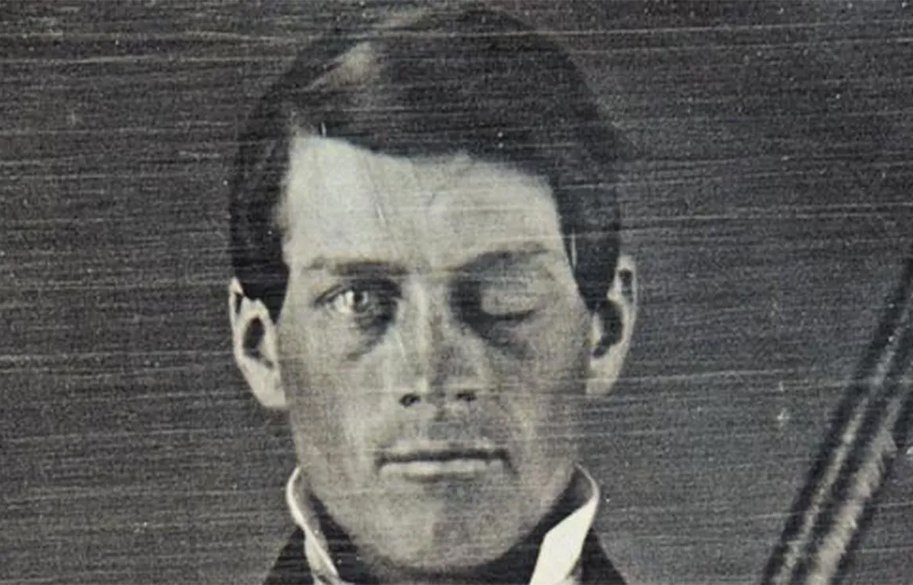
Phineas Gage: The Railroad Accident That Rewrote What Doctors Knew About the Brain
At around 4:30 in the afternoon on September 13, 1848, a 25-year-old railroad foreman named Phineas Gage was packing gunpowder into a hole drilled through solid rock outside Cavendish, Vermont. His job was to tamp the charge down with an iron rod before it detonated. Something went wrong. The powder ignited early. The rod, over…
Read More 
The Mütter Museum: Philadelphia’s Collection of the Strangest Specimens in American Medicine
A woman’s body slowly turned to soap after death. A disease fused one man’s skeleton solid, converting his muscle into bone. Preserved tissue from Albert Einstein’s brain sits in a jar nearby. These specimens share one building in Philadelphia, a few blocks from Rittenhouse Square. That building is the Mütter Museum. It holds over 20,000…
Read More 
The History of Anesthesia: How Surgery Went From Fully Awake to Fully Painless in About 70 Years
Before 1846, surgery meant staying fully conscious through it. Assistants held patients down. Speed was the surgeon’s greatest virtue, since a faster amputation meant less time screaming and less blood lost. Patients got, at most, a swig of alcohol or a dose of opium beforehand. Then, within about seventy years, the entire experience flipped completely.…
Read More 
Ancient DNA Reveals Plague Was Already Killing Humans 5,500 Years Ago
Say the word plague, and most people picture the same scene. Filthy medieval cities. Rats scurrying through crowded streets. Corpses piled up faster than anyone could bury them. New DNA evidence just pushed that picture back thousands of years, to a setting that couldn’t look more different. Small, mobile hunter-gatherer families in the Siberian wilderness,…
Read More 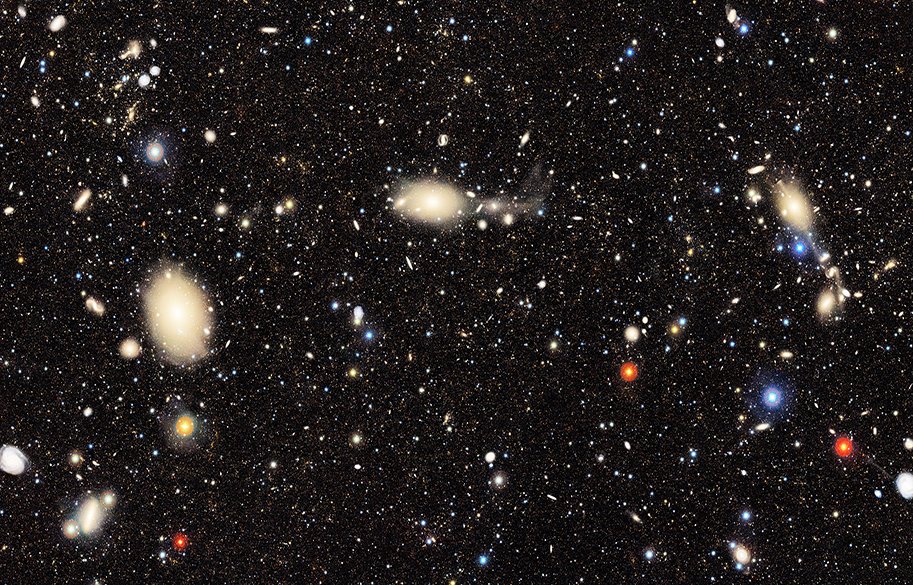
The Vera Rubin Observatory: The New Telescope Built to Photograph the Entire Night Sky Every Few Days
A single image from this telescope is big enough that displaying it at full resolution would require 400 separate 4K television screens, lined up together. That’s one photo. This particular observatory plans to take millions of them. It will repeatedly scan the entire visible night sky every few nights, for the next ten years straight.…
Read More 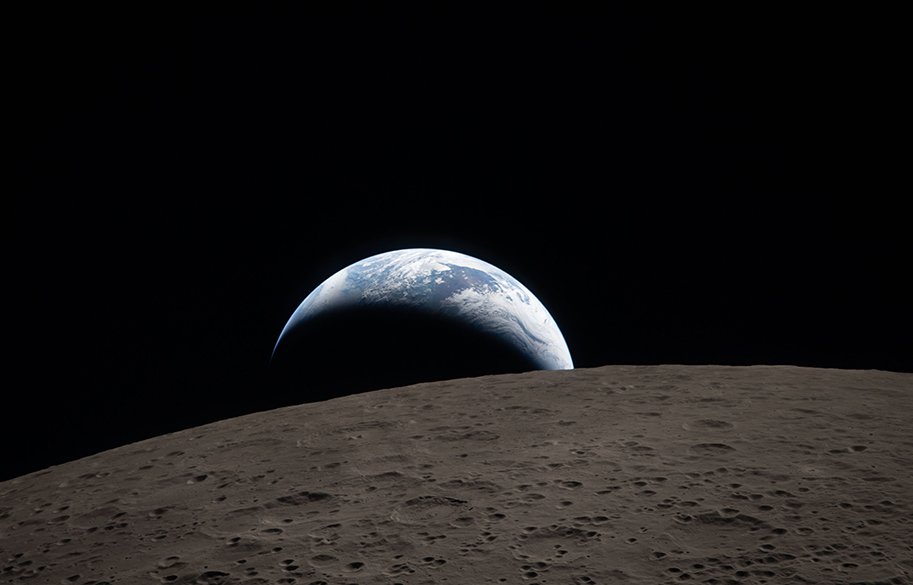
Artemis II: Inside NASA’s First Crewed Flight Around the Moon Since 1972
Nobody had traveled this far from Earth in more than fifty years. On April 1, 2026, four astronauts lifted off from Kennedy Space Center. Over the following ten days, they flew around the Moon and safely back home, the first human beings to make that trip since the final Apollo mission in 1972. Four Astronauts,…
Read More 
Baby KJ: The Infant Whose Own Genetic Mutation Got Its Own Custom-Built Cure in Six Months
Within the first 48 hours of his life, something was clearly wrong with KJ Muldoon. Doctors noticed lethargy and trouble breathing. A blood test came back with numbers nobody wanted to see. Ammonia levels over 1,000 micromoles per liter, when a normal reading sits somewhere between 9 and 33. Within days, doctors had a diagnosis.…
Read More 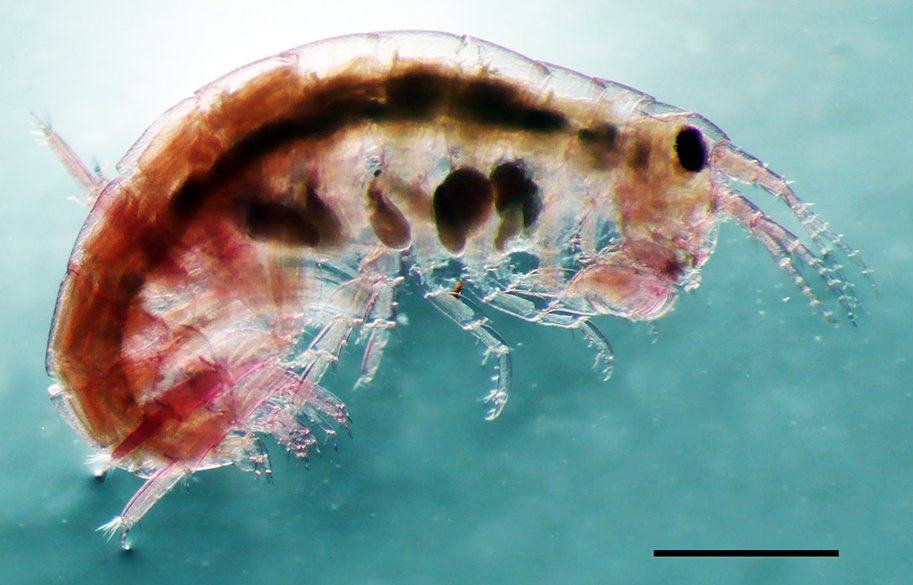
The Amphipod Superfamily Nobody Knew Existed Until This Year
Imagine already knowing bears exist. You know cats exist too, the whole family of them, lions down to house cats. Then, one day, someone hands you a photo of an animal that doesn’t fit anywhere you’d expect. Not a bear. Not a cat. Something else entirely, related to both in some distant way, but different…
Read More 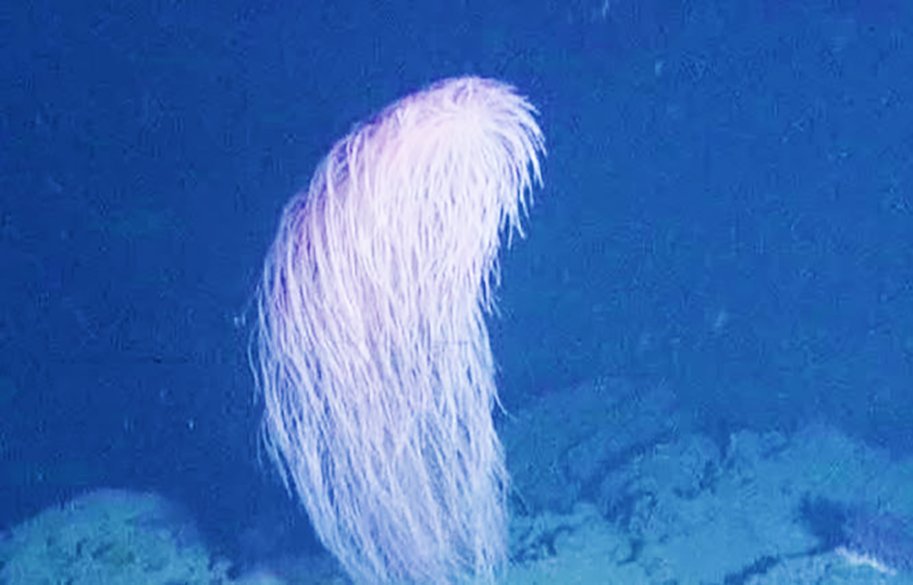
The New Deep-Sea Coral Species Scientists Named After Chewbacca
In 2006, a remotely operated vehicle was creeping along the seafloor off the northern coast of Molokai, Hawaii. It was about two-thirds of a mile down. Something strange came into view on an unnamed underwater mountain. Long, shaggy, upright branches, covered in what looked almost like fur. The researchers watching the footage knew exactly what…
Read More 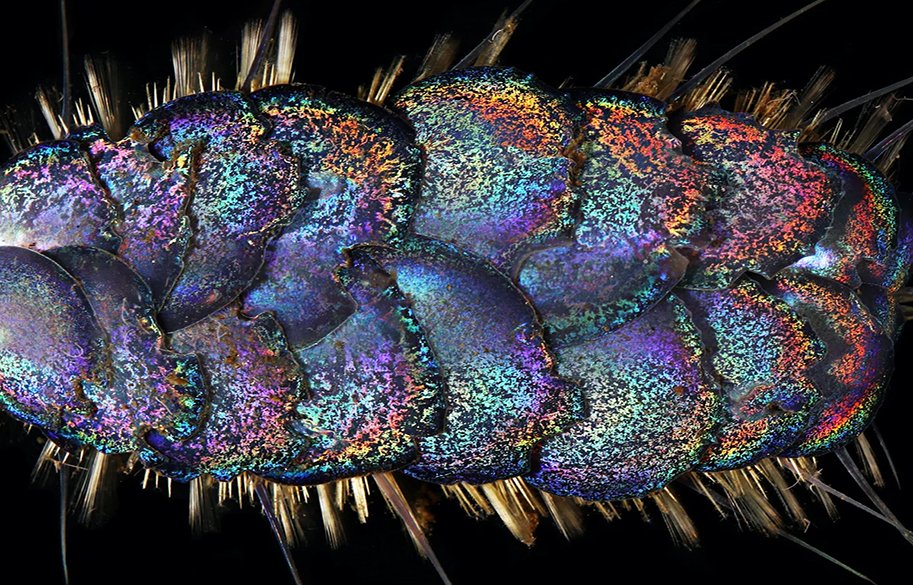
Meet the “Glitter Worm” and the “Elven Abyss Tunicate,” Two Real Deep-Sea Species Just Named
Somewhere off the coast of California, there’s a worm that glitters. Thousands of feet down off the coast of Western Australia, there’s a sea creature that hunts like a Venus flytrap. Scientists named it after an Elvish word from Lord of the Rings. Both are completely real. Both got officially named in the past year.…
Read More 
The Blue Octopus the Size of a Golf Ball Just Found 6,000 Feet Beneath the Galápagos
“He’s tiny! It’s blue!” That’s what a scientist yelled out loud, live on the research ship. A robotic camera had just caught a flash of color on the seafloor near the Galápagos. Nearly 5,800 feet down, in total darkness, something small and impossibly blue was just sitting there. Another crew member had a simpler comparison.…
Read More