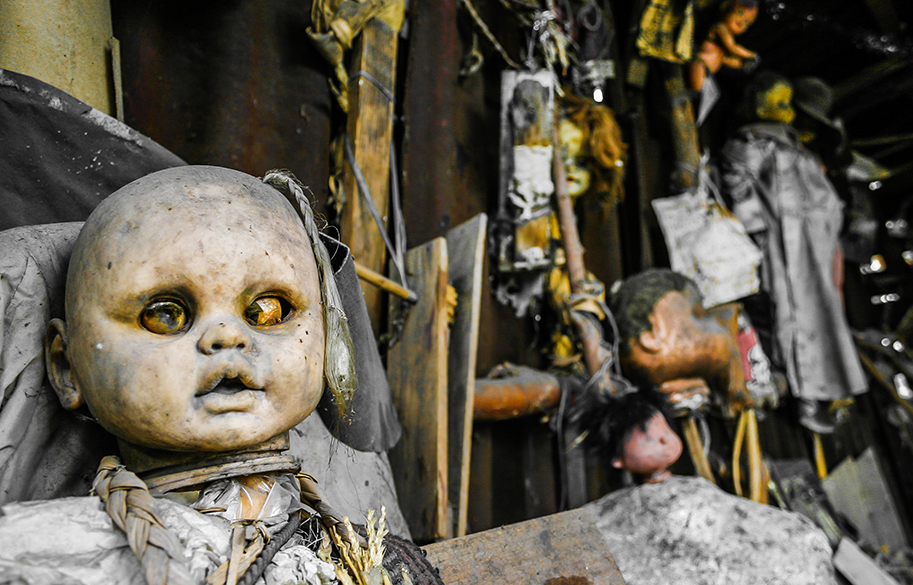
Eastern State Penitentiary: The Birth of Solitary Confinement
Eastern State Penitentiary didn’t begin as a punishment. It began as a solution.
When it opened in Philadelphia in 1829, reformers believed they had finally found a humane alternative to overcrowded prisons, public executions, and corporal punishment. Instead of violence or humiliation, Eastern State offered isolation. Silence. Time alone to think.
The intention was moral rehabilitation. The outcome was something else.
Why Eastern State Was Built
In the early 19th century, American prisons were chaotic. Inmates mixed freely, violence was common, and criminal networks often strengthened behind bars. Reformers, particularly Quakers in Pennsylvania, believed this environment encouraged corruption rather than reform.
Their proposal was radical: remove prisoners from one another entirely. According to this logic, solitude would eliminate negative influence and force individuals to confront their actions. Reflection would lead to remorse. Remorse would lead to reform. This idea became known as the Pennsylvania System. Eastern State Penitentiary was built to enforce it.

A Prison Designed for Isolation
The architecture mattered. Eastern State wasn’t just a prison with cells—it was a machine for solitude. Each inmate lived alone in a thick-walled cell with a heavy wooden door and a narrow feeding slot. A single skylight, known as the “Eye of God,” provided natural light. Prisoners worked inside their cells, producing goods like shoes or textiles, but never alongside others.
Guards padded their shoes to avoid noise. When prisoners left their cells, they wore hoods so they wouldn’t recognize or communicate with anyone else. Conversation between inmates was forbidden.
Silence was constant.
Solitary Confinement as the Default
Unlike modern prisons, Eastern State didn’t reserve solitary confinement for punishment. It was the baseline condition. Prisoners remained isolated for months or years at a time, regardless of behavior. Reformers expected introspection.
Instead, doctors and wardens began reporting severe psychological effects. Prisoners experienced anxiety, paranoia, depression, and hallucinations. Some spoke to imaginary companions. Others became withdrawn or unresponsive. Several lost the ability to speak entirely.
Early Criticism and Public Doubt
Opposition to the Pennsylvania System emerged almost immediately. Medical professionals warned that prolonged isolation damaged mental health. Foreign observers expressed concern after touring the prison.
In 1842, Charles Dickens visited Eastern State and described the experience as mentally destructive, calling it a slow and invisible form of torture. His account helped bring international attention to the prison’s conditions.
Despite this, the model spread. Prisons in Europe and the United States adopted variations of the system, often ignoring or minimizing the evidence of harm.

The System Begins to Unravel
By the late 19th century, Eastern State could no longer sustain its original design. The prison population increased, costs rose, and the psychological damage became harder to deny.
Gradually, officials allowed limited interaction between prisoners. Communal work replaced cell-based labor. Silence rules softened. The prison moved away from total isolation, even though it never fully disavowed the philosophy behind it. The Pennsylvania System faded. Solitary confinement did not.
The Long-Term Legacy
Eastern State Penitentiary closed in 1971, but its influence didn’t end there. Modern solitary confinement, often justified as a security measure, traces its roots directly to this early experiment in enforced isolation.
Today, research consistently links prolonged solitary confinement to anxiety, depression, psychosis, and increased risk of self-harm. These findings echo the same symptoms observed at Eastern State nearly two centuries earlier. The difference is scale. What began as a reform experiment became institutional policy.
Recent Podcast Episodes

Recent Adventures

Subscribe Today!
Subscribe
Your Ad Here!

Other Adventures You May Like
Minanbé: The Untouched Maya City Hidden So Well Archaeologists Had to Machete Through Miles of Jungle to Find It
The Iliad in the Mummy Wrappings: What a 1,600-Year-Old Fragment of Homer Was Doing Inside an Egyptian Burial