Mount Roraima Plateau: The Lost World Landscape Explained
If you’ve ever seen the movie Up, you know exactly what Mount Roraima looks like. It’s that massive, flat-topped mountain with the giant waterfalls pouring off the sides. For a long time, I honestly thought it was just something Pixar dreamed up. However, it’s a real place where the borders of Venezuela, Brazil, and Guyana meet.
It’s called a “tepui,” which basically means “house of the gods,” and once you see it, the name makes total sense. It looks like a giant stone table floating in the clouds. In fact, it’s so surreal that it inspired the original Lost World stories. Those are the kind where people expected to find dinosaurs living on top. That’s because it’s been so cut off from the rest of the world.
It’s basically a two-billion-year-old time capsule
The wildest thing about Roraima isn’t even how it looks. Instead, it’s how old it is. We’re talking two billion years. Most of the mountains we’re used to, like the Rockies or the Alps, are “new” compared to this.
Because the rock is so incredibly hard and the cliffs are so steep (we’re talking 1,300-foot vertical drops), the top of the mountain has been totally isolated. While the rest of the world was evolving, changing, and dealing with ice ages, the summit of Roraima was just… vibing. It’s stayed exactly the same for eons. As a result, this created a weird little bubble where evolution went in a completely different direction.
The animals up there forgot how to be animals
Since the plateau is so hard to get to, the stuff living on top has been trapped there for millions of years. That’s why it’s led to some “island evolution.” Honestly, the result is kind of hilarious and cute.
Take the Roraima Bush Toad. It’s this tiny, pebbly black toad that lives on the rocks. Because it’s had zero natural predators for forever, it literally forgot how to hop. If it gets scared, it just rolls up into a ball or crawls away like a slow little bug. Moreover, it’s also home to tons of pitcher plants—the ones that eat bugs—because the rain is so constant. This rain washes all the nutrients out of the soil. Therefore, the plants basically had to become predators just to survive.

It literally makes its own weather
If you look at photos of Roraima, it’s almost always draped in thick, moody clouds. That’s because the mountain is so huge it literally forces the moist Amazon air upward. This turns into instant mist and rain.
The top isn’t a lush forest like you’d expect… it’s more like a lunar landscape. It’s all black rock, weird stone labyrinths carved by the wind, and pools of crystal-clear water. Since it rains so much, the water has to go somewhere. That is why you see those iconic “tears” of waterfalls falling off the cliffs. It’s beautiful, but it’s also why it’s so dangerous—one minute it’s sunny, and the next you’re in a total whiteout.
Why you can’t just “go” there
Even though it’s becoming more popular on travel feeds, Roraima is not a casual trip. There’s only one real way up—a “natural staircase” on the Venezuelan side—and it’s a grueling, multi-day trek through mud and vertical rock. You can’t just wander off or treat it like a playground. In addition, between the political situation in the area and how fragile the ecosystem is, it’s one of those places that demands a lot of respect.
Recent Podcast Episodes

Recent Adventures

Subscribe Today!
Subscribe
Your Ad Here!

Other Adventures You May Like

Baby KJ: The Infant Whose Own Genetic Mutation Got Its Own Custom-Built Cure in Six Months
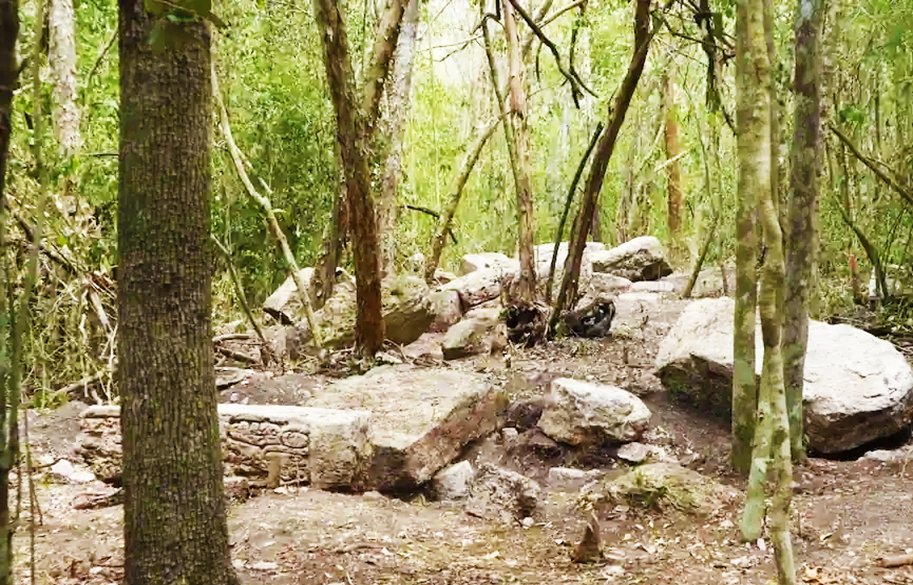
Minanbé: The Untouched Maya City Hidden So Well Archaeologists Had to Machete Through Miles of Jungle to Find It