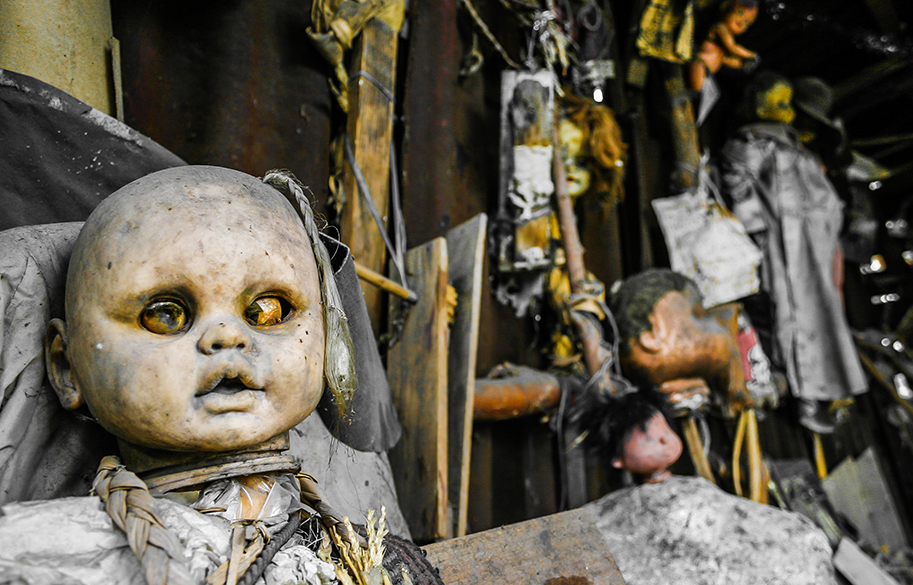
Oak Island Money Pit History: Why Treasure Hunters Keep Failing
If you’ve ever spent a late night down a Wikipedia rabbit hole, you’ve probably hit the Oak Island page. It’s the ultimate treasure hunt story: a tiny island off the coast of Nova Scotia that supposedly has some massive, life-changing treasure buried at the bottom of a “Money Pit.”
People have been digging here since 1795, and we’re not just talking about kids with shovels. We’re talking about massive engineering firms, millionaires, and even Franklin D. Roosevelt (before he was president). But after two centuries of digging, nobody has found the “big prize,” and a lot of people have lost their fortunes (and even their lives) trying.
It’s basically a booby-trapped sandcastle
The reason nobody can get to the bottom of the pit isn’t just because it’s deep. Instead, it’s because the original “architects” (whoever they were) were geniuses at engineering. Every time a search team gets close to the 100-foot mark, the pit suddenly floods with seawater.
For a long time, people thought it was just bad luck or natural groundwater. Nope. It turns out there’s a literal booby-trap system. There are man-made “flood tunnels” connected to the ocean. When you dig deep enough to hit a certain point, the pressure changes and the tunnels act like a drain in reverse, filling the pit with ocean water faster than any pump can clear it out. It’s like the ultimate “keep out” sign made of physics and salt water.
The “just one more foot” obsession
The history of Oak Island is paved with broken bank accounts. The problem is that the island gives just enough “clues” to keep people hooked. Over the years, diggers have found layers of coconut fiber (which isn’t native to Canada), charcoal, putty, and even a stone slab with a cryptic code that supposedly says, “Forty feet below, two million pounds lie buried.”
This is why hunters keep failing: the “sunk cost fallacy.” You spend a million dollars digging a hole, find a tiny scrap of ancient parchment or a single gold link from a chain, and suddenly you’re convinced you’re just inches away. You spend another million, the pit floods again, and the cycle repeats. It’s the world’s most expensive slot machine, and it’s been running since the 18th century.

Nature is a better gatekeeper than we think
Aside from the booby traps, the geology of Oak Island is a nightmare. The ground is made of limestone and anhydrite, which naturally creates sinkholes and underground caves. This makes it almost impossible to tell what’s a man-made tunnel and what’s just nature being weird.
Every time a new team comes in with “revolutionary” technology (whether it’s massive oscillating drills or high-tech sonar) the island seems to shift. The more we dig, the more we destroy the original site. At this point, the “Money Pit” is such a mess of old wooden supports, collapsed tunnels, and abandoned drill bits from previous fails that finding the original treasure room is like trying to find a needle in a haystack that’s been put through a blender.
Maybe the “treasure” isn’t what we think
At this point, you have to wonder if the failure is the point. We’re obsessed with the idea of Knights Templar gold, Marie Antoinette’s jewels, or lost Shakespearean manuscripts being down there. But after 200 years, the real “Money Pit” is just the island itself—it’s a place that swallows money and effort and gives back nothing but more questions.
Whether there’s actually a chest of gold at the bottom or just a very elaborate 18th-century prank, Oak Island proves that some secrets are buried so deep that even modern tech and millions of dollars can’t dig them up.
Recent Podcast Episodes

Recent Adventures

Subscribe Today!
Subscribe
Your Ad Here!

Other Adventures You May Like
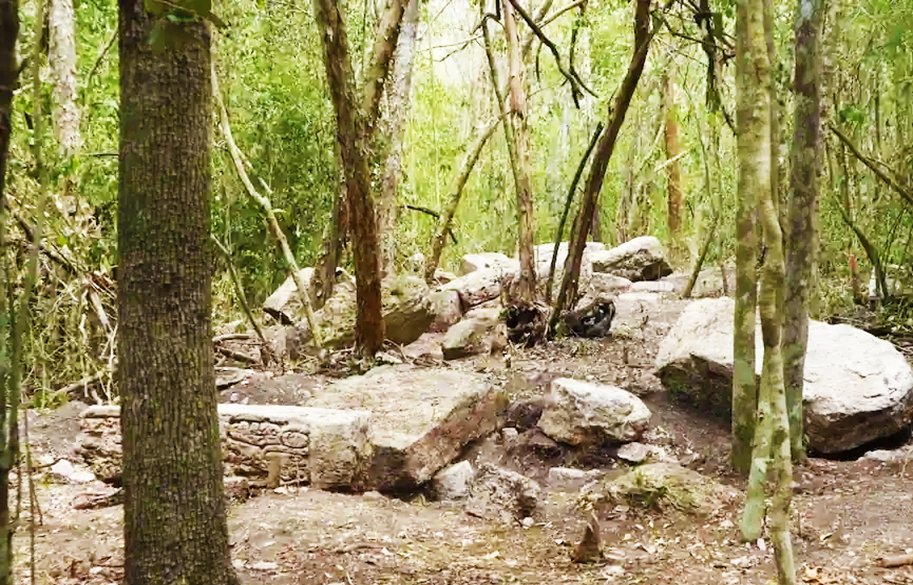
Minanbé: The Untouched Maya City Hidden So Well Archaeologists Had to Machete Through Miles of Jungle to Find It
The Iliad in the Mummy Wrappings: What a 1,600-Year-Old Fragment of Homer Was Doing Inside an Egyptian Burial