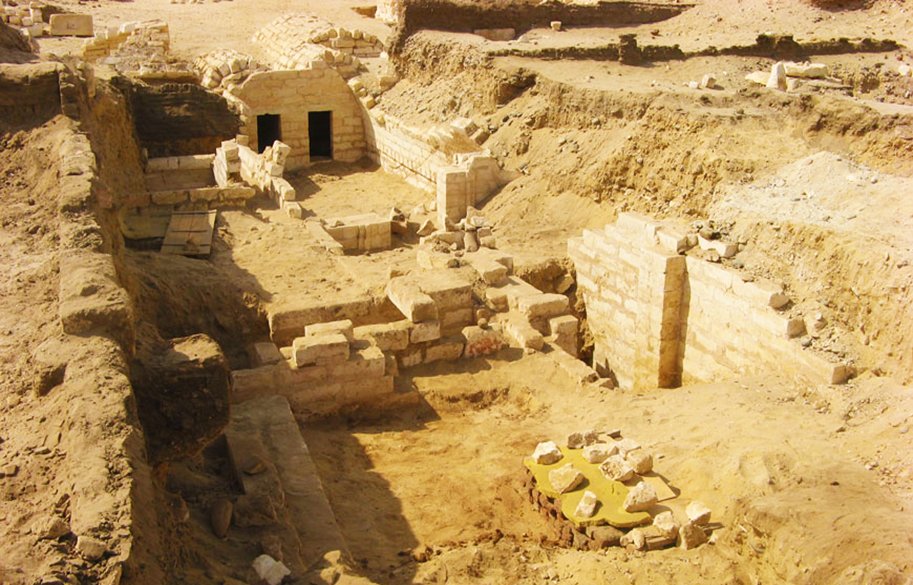
Poisoned Wells and Sacred Trees: The Forgotten Eco-Terrorism of Ancient Warfare
Long before modern warfare introduced terms like “environmental destruction” or “resource targeting,” armies were already doing exactly that. They poisoned water sources, burned crops, cut down orchards, and destroyed landscapes that communities depended on to survive. It wasn’t just about defeating an enemy in combat, it was about making sure they couldn’t recover afterward through eco-terrorism.
Starving the Enemy Without a Fight
One of the most common strategies in ancient warfare was simple: remove access to food. Armies would march through farmland and deliberately destroy it—burning fields, uprooting crops, killing livestock. If you could wipe out a region’s food supply, you didn’t need to win a battle. Hunger would do the work for you.
This tactic shows up again and again across history. During the Peloponnesian War, Spartan forces regularly invaded Athenian territory and destroyed agricultural land, knowing that Athens relied heavily on those resources. The goal wasn’t immediate victory—it was slow pressure. It’s the kind of strategy that doesn’t look dramatic, but it’s incredibly effective.
Water as a Weapon
If food was one target, water was another—and often an even more direct one. Wells, rivers, and reservoirs were lifelines, especially in arid regions. Contaminate those, and you could force an entire population to abandon an area or surrender.
There are historical accounts of armies dumping corpses into wells to make the water undrinkable, or using naturally toxic substances to poison supplies. In some cases, this bordered on early forms of chemical warfare. For example, during the Siege of Kirrha in ancient Greece, attackers are said to have poisoned the city’s water supply with hellebore, a toxic plant, causing widespread illness among defenders.
Destroying What Matters Most
Beyond food and water, there was another target that mattered just as much—culturally significant land. Sacred groves, temples, and symbolic landscapes were often destroyed as part of military campaigns. These places were tied to identity, tradition, and community life. Destroying them sent a message: not only can you not fight back, but what you value can be erased.

In some cases, cutting down trees or burning groves had both practical and psychological effects. It removed resources like fruit, wood, and shelter, while also undermining morale. When something considered sacred is destroyed, it hits differently than losing a field or a building.
Salting the Earth
There’s a well-known story about the Destruction of Carthage, where Roman forces supposedly salted the Earth after destroying the city, ensuring nothing would ever grow there again. Whether that actually happened on a large scale is debated, but the idea itself is telling.
What all of this shows is that ancient warfare wasn’t limited to direct combat. It extended into ecosystems, infrastructure, and everyday life. Communities didn’t just lose battles—they lost the ability to sustain themselves. Fields took years to recover. Water sources had to be rebuilt or abandoned. Cultural sites, once destroyed, were often gone for good.
In modern terms, we might call this environmental warfare or even eco-terrorism. But for ancient armies, it was just strategy. If destroying the environment gave you an advantage, it was on the table.
Recent Podcast Episodes

Recent Adventures


Subscribe Today!
Subscribe
Your Ad Here!

Other Adventures You May Like

Tell Fara: The Flood Layer Just Found Beneath Iraq’s Oldest Known Ruins
Minanbé: The Untouched Maya City Hidden So Well Archaeologists Had to Machete Through Miles of Jungle to Find It