Roman Concrete Can Heal Itself — And We’re Still Not Sure How
Here’s a strange thought: somewhere along the shores of the Mediterranean, there’s a piece of crumbling Roman harbor wall that’s older than most religions and probably still doing better than your local overpass. It was built over 2,000 years ago, by hand, with no rebar, no steel, no modern engineering software. Just limestone, volcanic ash, and a bit of seawater. And it’s still standing. Even weirder? Scientists think that this roman concrete might actually be healing itself.
The Material That Refuses to Die
We live in a world where everything breaks. Sidewalks crack, tunnels leak, and entire apartment blocks fall down before they hit middle age. And modern concrete — the stuff we rely on for everything — is one of the most failure-prone, short-lived, high-maintenance building materials we’ve ever mass-produced.
But Roman concrete? That stuff is like the cockroach of ancient materials. It doesn’t just resist time; it seems to thrive in it. The Romans built seawalls that were basically poured into the ocean. Ports, breakwaters, and docks — all exposed to waves, storms, and saltwater erosion for literal millennia. And yet… still intact. So the question becomes: how?
We Thought It Was Just Luck
For a long time, people assumed it was a fluke. Maybe the climate helped. Maybe the seawater somehow preserved it. Maybe they got lucky with the rocks.
But that kind of thinking doesn’t survive lab tests. Turns out, Roman concrete is chemically different. Especially the marine stuff. And it has to do with a weird little ingredient called Pozzolanic ash — volcanic in origin — which reacts with lime and seawater in a way that modern concrete just… doesn’t.
In other words: the Romans didn’t get lucky. They knew exactly what they were doing. Or at least, enough to know which materials gave their buildings a kind of permanence we’ve completely lost.
The Healing Clasts
Here’s where it gets unsettling. In 2023, a team of researchers looked at Roman concrete under the microscope and noticed something odd: tiny, white fragments scattered throughout. They’d always been written off as poor mixing.

But those little bits — lime clasts, they’re called — weren’t mistakes. They were reactive. When the concrete cracked (as all concrete eventually does), water would seep in, hit those clasts, and trigger a chemical reaction. That reaction would then fill the crack with new material. Sealing it. Healing it. So ancient concrete that heals itself when damaged. Like bone. Like skin.
We Could Do This But We Don’t
The frustrating part? We could be doing this today. We know what’s in the mix. We have the ingredients. We understand the reactions. But modern construction is built around speed and cost — not longevity. Using volcanic ash and hot-mixed lime takes longer. It’s less predictable. It’s slower to cure. And let’s be honest — we don’t build for 2,000 years anymore. We build for 30, maybe 50.
Why? Because it’s profitable to rebuild. Because short lifespans keep the concrete industry in business. Because no one’s going to pour money into a bridge that doesn’t need repairs until your great-great-grandkids are dead. We’ve somehow convinced ourselves that disposability is normal. But if the Romans had done that, half of Europe would have collapsed into dust by now.
Recent Podcast Episodes

Recent Adventures

Subscribe Today!
Subscribe
Your Ad Here!

Other Adventures You May Like
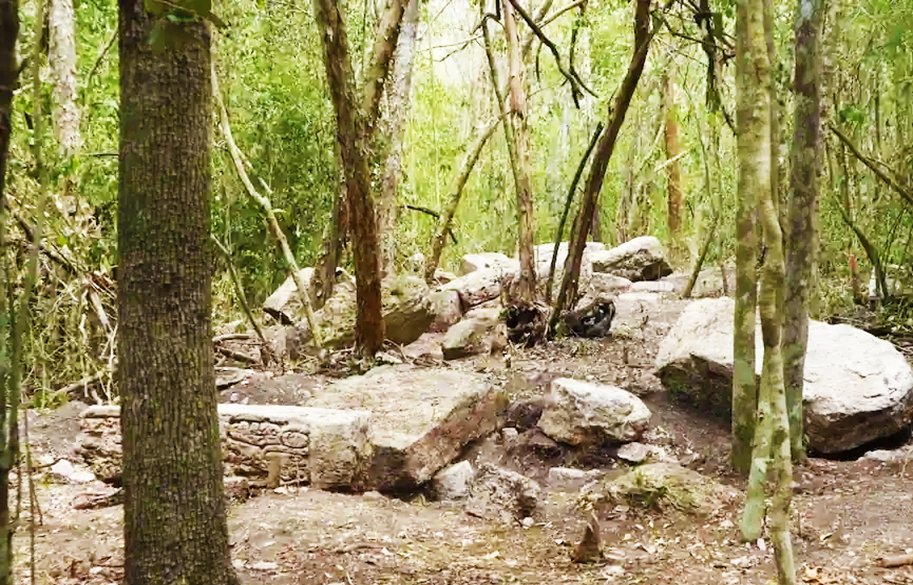
Minanbé: The Untouched Maya City Hidden So Well Archaeologists Had to Machete Through Miles of Jungle to Find It
The Iliad in the Mummy Wrappings: What a 1,600-Year-Old Fragment of Homer Was Doing Inside an Egyptian Burial