The 10 Weirdest Things Found by Archaeologists
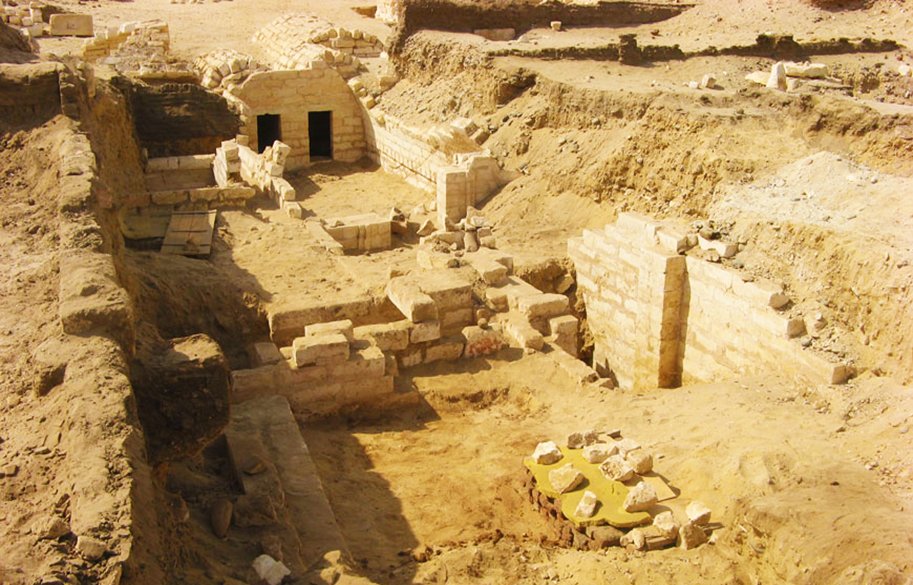
You know that feeling when you’re cleaning out your basement or your childhood room and stumble across something so bizarre, you have to do a double-take? That’s basically what it’s like to be an archaeologist sometimes, only a bit more intense. While the job is usually about dusty ruins and ancient pottery, every once in a while, archaeologists unearth something so weird it feels like it’s straight out of a fantasy novel. Here are some of the most noteworthy examples of that.
The Crystal Skulls
I mean, Indiana Jones didn’t make these up entirely. Several perfectly carved quartz skulls have turned up in Mexico and Central America over the last two centuries. They were allegedly pre-Columbian, but experts are now pretty sure they’re elaborate 19th-century forgeries. These were made with shockingly advanced carving tools for the time. Whether they’re genuine artifacts or an incredible hoax, their eerie, lifelike precision continues to spark New Age legends and conspiracy theories.
The Antikythera Mechanism

Imagine diving into an ancient shipwreck and pulling up what looks like a barnacle-crusted lump of corroded bronze. But that wasn’t just scrap metal. It was the Antikythera Mechanism—what a lot of people call the world’s first computer. Unearthed off the coast of Greece, this 2,000-year-old device was a complex analog machine. It was designed to track the movements of the sun, moon, and planets. Its intricate gears and dials could predict eclipses with mind-blowing accuracy. This was a level of technology that wouldn’t be seen again for over a thousand years.
The Screaming Mummies
This one is just plain unsettling. Several mummies discovered in Egypt appear to have been buried mid-scream, their mouths wide open in eternal terror. The most famous is “Unknown Man E,” whose face is frozen in an expression of pure agony. Some scholars think this chilling pose was the result of natural decay, where the jaw simply fell open after death. Others have more dramatic theories: were these people poisoned, buried alive, or victims of a curse? We’ll probably never know, but they’re still haunting to look at.
The Baghdad Battery
Found in Iraq and dating back more than 2,000 years, the so-called Baghdad Battery is a really unique object. It is a clay jar containing a copper cylinder and an iron rod. When filled with an acidic liquid like grape juice, it can produce a small electrical current. Was it used for electroplating jewelry? Or for religious rituals that gave people a mild electric shock? Alternatively, was it just a glorified storage jar? The debate has been raging for decades. The lack of a clear answer makes it one of history’s most baffling puzzles.
The Voynich Manuscript
Technically not a single “found object,” but still one of archaeology’s weirdest mysteries, the Voynich Manuscript is a medieval book filled with completely undecipherable writing. It also has bizarre, fantastical illustrations of plants and cosmic diagrams. Discovered in the early 20th century, its pages have been a source of frustration for generations of codebreakers, linguists, and even AI algorithms. The text remains completely unreadable. Some believe it’s a genuine coded book of medical knowledge. Meanwhile, others think it’s an elaborate hoax.

The Dogū Figurines
In Japan, archaeologists have unearthed thousands of small clay figurines dating back over 10,000 years. Known as Dogū, they have large, bug-like eyes and oddly futuristic appearances. So much so that they’ve fueled countless UFO and “ancient aliens” theories. Were they religious idols used in fertility rituals, or were they toys? Or, as some theorists claim, are they evidence of extraterrestrial visitors? We might never know.
The Roman Dodecahedrons
Across Europe, archaeologists keep finding these small, hollow bronze objects shaped like twelve-sided dice. They’re called Roman dodecahedrons and they date back to the 2nd or 3rd century. Yet their function is completely unknown. They’re all roughly the same size and have a series of holes in each face. However, not a single Roman instruction manual has ever been found that mentions them. Were they candle holders or measuring devices for land surveying? Or maybe a tool for fortune-telling? The fact that hundreds have been found, but their purpose remains a mystery, makes them truly bizarre.
Ancient Fast Food in Pompeii

You know how you can just grab a quick meal on the go today? Turns out, that’s a tradition that goes back thousands of years. When archaeologists excavated the city of Pompeii, they uncovered not just homes and villas, but also what looks suspiciously like a series of fast-food counters. Known as thermopolia, these stalls served hot food and drinks to passersby—basically, ancient Roman takeout. Some even had frescoes advertising the menu, showing off delicious-looking chickens, ducks, and wine.
The Shigir Idol
Discovered in a Russian peat bog, the Shigir Idol is a towering wooden sculpture over 11,000 years old. This makes it the world’s oldest known wooden artifact. The idol is covered in mysterious geometric carvings that experts believe may be an early form of coded information. This tells a story of their ancient culture. It’s taller than most humans and may have been used for rituals. Its eerie appearance and unknown meaning make it one of archaeology’s strangest relics. It is a silent witness to a time we know almost nothing about.
The Bog Bodies of Northern Europe

This one is just… wow. From Ireland to Denmark, archaeologists have unearthed hundreds of incredibly preserved human remains in peat bogs. The bogs’ unique acidic, low-oxygen conditions mummified these bodies so perfectly. Their hair, skin, and even clothing were preserved. The most famous, like Tollund Man, often show signs of a violent death. This suggests they were victims of human sacrifice. Looking into the face of a person who lived over 2,000 years ago is one of the most incredible—and unsettling—experiences archaeology has to offer.
Recent Podcast Episodes

Recent Adventures


Subscribe Today!
Subscribe
Your Ad Here!

Other Adventures You May Like

Tell Fara: The Flood Layer Just Found Beneath Iraq’s Oldest Known Ruins
Minanbé: The Untouched Maya City Hidden So Well Archaeologists Had to Machete Through Miles of Jungle to Find It