The Eruption of Thera: Did This Volcano Actually Sink Atlantis?
Look, I know we’ve all seen the Pinterest-perfect photos of Santorini with the blue domes and the sunset views, but the history of that place is actually terrifying. Before it was a honeymoon destination, it was basically the site of a real-life apocalypse.
I’ve been spiraling down this rabbit hole lately because of the Thera eruption. Around 1600 BCE, the volcano there didn’t just erupt… it basically deleted the center of the island. We’re talking about an explosion four times stronger than Krakatoa. It sent 100-foot tsunamis crashing into nearby Crete and pumped so much ash into the sky that it literally changed the weather as far away as China.
The Day the Sky Turned Black
Imagine being a Minoan around 1600 BCE. You’re living in a society that is arguably the peak of the human experience at the time. You have paved streets, multi-story villas, and actual plumbing. Then, the ground starts shaking.
When Thera blew, it wasn’t just a “run for the hills” kind of eruption. It was a “the sun is gone for weeks” kind of catastrophe. Scientists estimate the blast was about 60,000 times more powerful than the Hiroshima bomb. It spat out so much magma so fast that the entire island became hollow and just… caved in on itself. That’s what created the caldera we see today.
But the explosion was only the beginning. The collapse of the island triggered tsunamis that were likely over 100 feet tall. Imagine a wall of water that high slamming into the coast of Crete, which was the heart of the Minoan empire. It wouldn’t just have destroyed their ports… it would have literally wiped their entire navy off the map in minutes. For a maritime empire, that’s game over.
Why Plato Might Have Been Recording History, Not Fiction
This is where the Atlantis nerds (myself included) start getting loud. Plato wrote about Atlantis about 1,200 years after this happened. He described a circular island with concentric rings of land and water, a massive seafaring power, and a sudden, violent end.
A lot of people dismiss Plato because he said Atlantis was “beyond the Pillars of Hercules” (the Atlantic Ocean) and that it sank 9,000 years before his time. But honestly? Translating ancient texts is like playing a game of Telephone across millennia. There’s a very popular theory that a translation error turned “hundreds” into “thousands.” If you shift the timeline, the “9,000 years ago” becomes 900 years before Plato—which lands you right at the feet of the Thera eruption.
Even the description of the rocks matches. Plato mentioned the stones of Atlantis were white, black, and red. If you walk along the beaches in Santorini today, those are the exact three colors of the volcanic cliffs. It feels a little too specific to be a coincidence, right?

The Ghost Town of Akrotiri
The part of this story that actually keeps me up at night is a place called Akrotiri. It’s often called the “Minoan Pompeii,” and for good reason. The city was buried under layers of ash, preserving it perfectly for thousands of years.
But there’s one massive, glaring difference between Akrotiri and Pompeii: the bodies. At Pompeii, you see the tragic plaster casts of people caught in their final moments. At Akrotiri, archaeologists haven’t found a single person. No skeletons in the streets, no jewelry left in the houses, nothing.
This means the people knew. They felt the precursor tremors, looked at the sea, and decided it was time to go. They packed up their most expensive belongings and sailed away. But here’s the kicker—nobody knows where they went. There’s no archaeological evidence of a massive influx of Minoan refugees anywhere else. Maybe they tried to outrun the tsunamis and got caught in the open water? Or maybe they’re still down there, sitting in the silt at the bottom of the Aegean.
Recent Podcast Episodes

Recent Adventures


Subscribe Today!
Subscribe
Your Ad Here!

Other Adventures You May Like

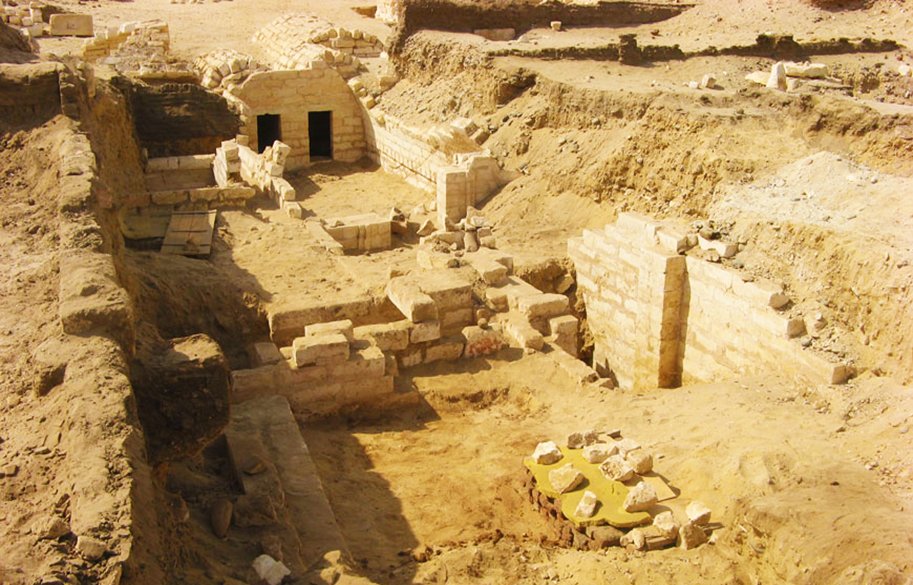
Tell Fara: The Flood Layer Just Found Beneath Iraq’s Oldest Known Ruins
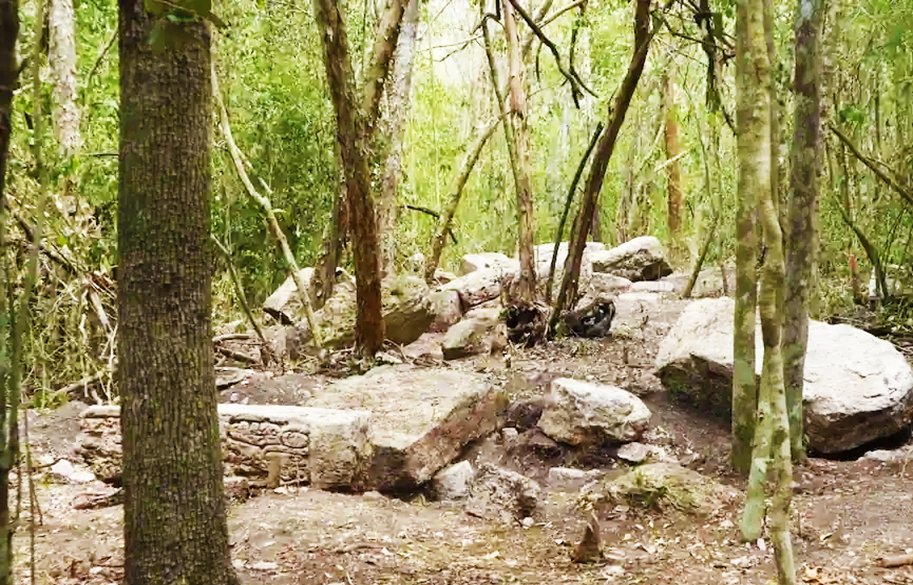
Minanbé: The Untouched Maya City Hidden So Well Archaeologists Had to Machete Through Miles of Jungle to Find It