The Great Emu War: How Australia Lost a War Against Birds
The Great Emu War of 1932, often dismissed as a just a comical footnote in history, is in fact so much more than just a quirky battle between man and bird. This unusual conflict between Australian farmers and thousands of emus is one of the many examples of the surprising resilience of wildlife. This “war” did not only challenge the livelihoods of Australian farmers, but also tested a the military’s mettle against an unconventional and unexpected enemy. And even though this whole thing was absolutely iconic and researching it was so much fun, I feel like a lot of people haven’t even heard about it. Which isn’t too surprising considering that there were two actual World Wars in between. So, let’s learn everything about the Great Emu War.
Economical Destruction or Ecological Disruption?
So, let’s go back to how it all began. In the aftermath of World War I, the Australian government gave a significant amount of land to returning veterans. Why? To encourage them to cultivate wheat in Western Australia. This wasn’t only a great way to employ the veterans, but also ensure that there would be a better supply of food in case of other emergencies. Of course, it was also benefiting the Australian government itself.
Even though the initial idea was great, by the early 1930s, these farmers faced severe economic pressures due to the Great Depression and falling wheat prices. However, that wasn’t the only problem that they would have to deal with. Not too long after that, vast flocks of emus, migrating after their breeding season, began invading the farmlands. These large birds, in search of food and water, found the cleared and cultivated lands ideal for foraging, leading to significant crop damage and further financial losses for the farmers.
The emu migration in 1932 was particularly large, with estimates of up to 20,000 birds entering agricultural districts such as Campion and Walgoolan. Their arrival came at harvest time, and the emus, each capable of eating large amounts of food, quickly began devastating the wheat crops. Just imagine — twenty THOUSANDS of oversized birds desperately hungry and looking for a snack. The land was devastated. However, the birds would also destroy fencing, which allowed other pests, particularly rabbits, to further harm the crops.
How the Military Started to Intervene
Even though it sounds pretty dramatic at first, it wouldn’t take too long until the Australian military started to take actionz Responding to the farmers’ pleas for help, the Australian government, led by Defence Minister Sir George Pearce, decided on a military solution. You have to understand, this wasn’t just an economic problem, but an environmental as well. Pearce authorized the deployment of troops equipped with two Lewis machine guns and 10,000 rounds of ammunition, under the command of Major G.P.W. Meredith. The goal of the operation? To reduce the population of emus (sounds brutal, I know) but also to boost public morale. They wanted to prove that the government was able to take action in moments of crisis. Even if the crisis came in the form of birds.
Early Struggles
Even though the Australian military felt confident that they could win this war, emu birds didn’t go down without a fight. The operation began in November 1932, and it wouldn’t take too long until they would realize that this wouldn’t be an easy battle. The emus proved to be elusive targets, with their high speeds and erratic movements making them difficult to track and even harder to kill. The birds started dispersing into small groups and vanishing into the landscape before the soldiers could even track them.
In response to their initial failures, the military adapted their tactics. One strategy involved mounting a machine gun on a truck—a concept that proved ineffective due to the rough terrain, which hampered the vehicle’s movement and stability, making accurate shooting impossible. Attempts to ambush the emus at watering holes also failed, as the birds seemed to learn from each encounter, becoming increasingly cautious and difficult to approach. Honestly, if this battle proved anything, it was how smart emu birds actually are. And I can’t help but giggle at the fact that a group of highly trained soldiers and army officers weren’t able to fight a gang of quirky looking birds.
Withdrawal
After several weeks of fruitless efforts and mounting public criticism, Major Meredith’s forces were recalled in December 1932. The military had expended a large amount of ammunition and resources, yet the emu population appeared largely unaffected. In fact — they were thriving and snacking on the wheat fields more than ever. So, in the following years, the government shifted its approach. They decided that, instead of fighting the birds, they could help building more robust fences for the farmers. They also implemented bounty systems to encourage veteran farmers to cull the birds themselves. And even though this still didn’t work completely, it was much more effective than their initial plan.

The Aftermath
Finally, let’s talk about the aftermath. If you ask me, the Great Emu War ended exactly how it was supposed to end — with the emu birds showing their superiority. But it also how unpredictable and complex it can be to manage human-wildlife conflicts. Especially if you’re on the human side. It highlighted the limitations of using military force in environmental management and emphasized the need for more sustainable and ecologically sensitive approaches. The story remains a popular anecdote in discussions about wildlife management, military history, and the often unpredictable nature of conflict resolution.
Today, the Great Emu War serves as a great reminder of the challenges that arise at the intersection of human activity and wildlife habitats. This bizarre yet significant episode underscores the importance of understanding ecological dynamics and pursuing solutions that harmonize agricultural development with wildlife conservation. For historians and ecologists alike, the war against the emus is not just a curious story but a case study in the broader themes of human impact on the environment and the resilience of nature. And the one conclusion that we can draw from it is — you better do not mess with nature.
Recent Podcast Episodes

Recent Adventures

Subscribe Today!
Subscribe
Your Ad Here!

Other Adventures You May Like
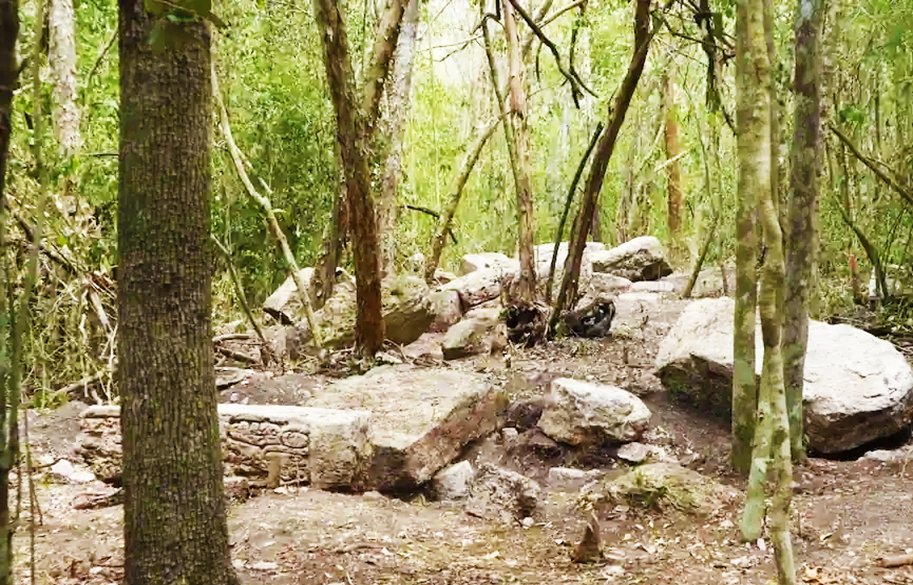
Minanbé: The Untouched Maya City Hidden So Well Archaeologists Had to Machete Through Miles of Jungle to Find It
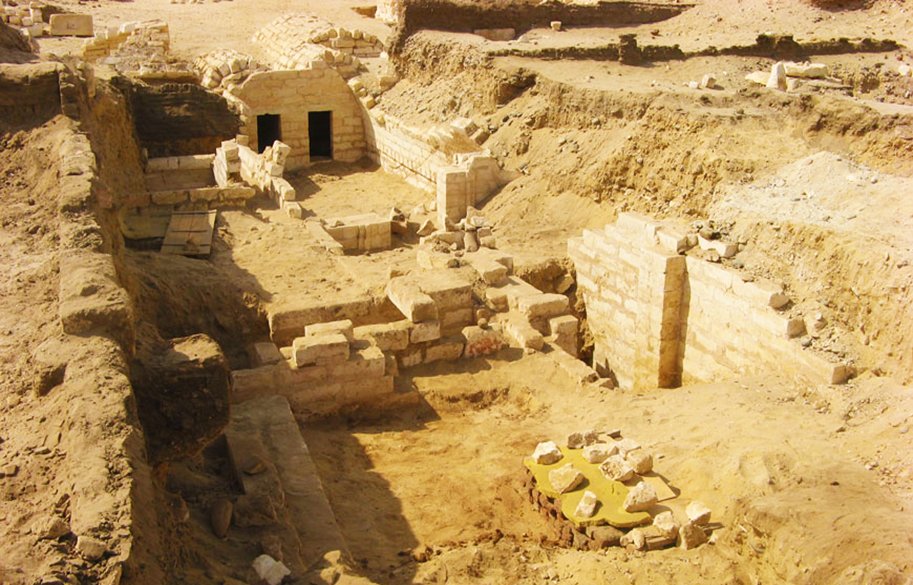
The Iliad in the Mummy Wrappings: What a 1,600-Year-Old Fragment of Homer Was Doing Inside an Egyptian Burial