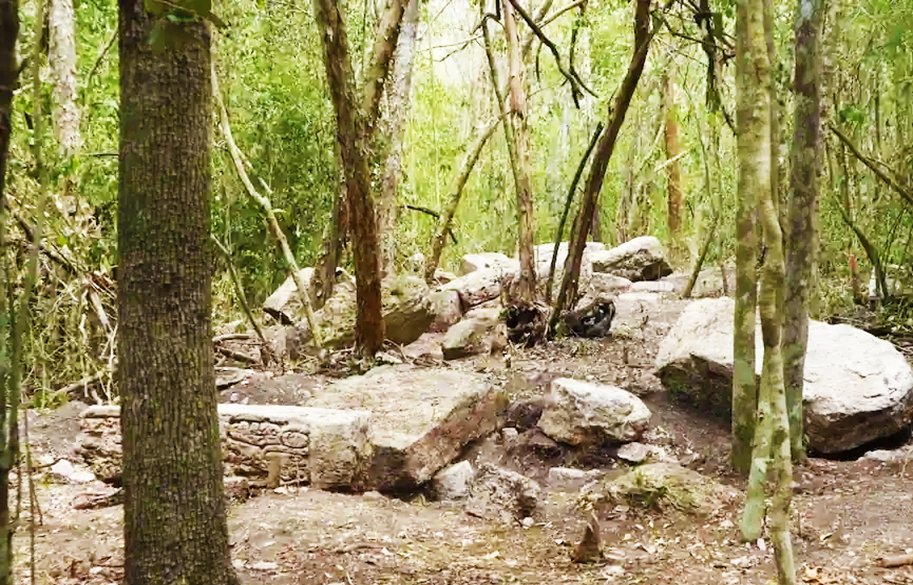
The Hot Spring That Boils Life Away: Iceland’s Deadly Beauty
Iceland is the one place on Earth where nature decided to flex as hard as she could. It’s got glaciers that glow blue under the midnight sun, black beaches that hum with wind, and volcanoes that occasionally remind everyone who’s really in charge here. But among all that beauty, there are places in Iceland that don’t just humble you… They terrify you. Welcome to the geothermal heart of Iceland — where water doesn’t just steam. It boils life away.
A Landscape That’s Literally Alive
Let’s start with a fact that never stops being wild: Iceland is sitting on top of the Mid-Atlantic Ridge — a crack in the Earth where two massive tectonic plates, the North American and Eurasian, are slowly tearing away from each other. You can literally walk between continents there. But that same geological chaos is what gives the country its geothermal energy — and its otherworldly landscape.
There are more than 700 geothermal hot springs in Iceland. Some are postcard-perfect, like the Blue Lagoon — milky turquoise waters, people soaking with face masks, drinks in hand. But others? They’re the real deal — wild, dangerous, and untamed.
Places like the Hveravellir, Krysuvík, and Namafjall Hverir geothermal fields look like something straight off Mars. Steam vents hiss from the earth like it’s exhaling. The ground bubbles, pops, and smokes with sulfur. And the colors — those surreal yellows, reds, and blues — are created by mineral deposits and bacteria that somehow survive in boiling, toxic water. It’s gorgeous. It’s alien. And it wants you to stay back.
The Pool That Kills
The most infamous of Iceland’s hot springs isn’t even the biggest or hottest — but it might be the deadliest. Locals simply call it Gunnuhver, named after a ghost.
According to legend, Gunna was a woman who lived centuries ago and met an unfortunate end after a fight over rent (yes, even ghosts in Iceland had landlord issues). Her spirit, enraged and restless, haunted the area until a priest trapped her in a boiling pool of mud. Ever since, the earth there has been bubbling, steaming, and belching sulfur — as if Gunna never really left.
Today, the site looks like a cauldron from hell. Steam clouds rise high into the gray sky. The ground shakes under your feet. And the temperature? Around 300°C (572°F) beneath the surface. There are signs everywhere telling visitors not to cross the safety barriers, but some still do — and some never come back.
The ground around these springs isn’t solid. What looks like crusted earth can actually be a thin layer over scalding water or mud. Step in the wrong place, and you might fall straight through. Several accidents over the years — both tourists and locals — have turned Iceland’s geothermal fields into a harsh reminder that nature doesn’t negotiate.
The Science Behind the Danger
So what’s actually happening beneath these deadly springs? It’s all about water and magma. Deep underground, rainwater seeps through cracks in the Earth until it hits hot rock — magma that’s just sitting there, radiating heat. That water flashes into steam, rises back up, and escapes through vents at the surface. When the pressure gets too high, it explodes, forming geysers or bubbling mud pots.
The color of the water — that eerie, otherworldly turquoise or sickly yellow — depends on the minerals dissolved in it. Silica gives it that soft blue hue. Sulfur turns it yellow and makes it smell like rotten eggs. And iron stains the earth deep red, as if the planet itself is bleeding.
But beneath that beauty is an ecosystem that’s barely hanging on. Only the hardiest bacteria, thermophiles, can survive there. They live in near-boiling water, feeding off sulfur and iron instead of sunlight. Scientists study them because they’re basically real-life analogs for what life might look like on other planets, like Mars or Europa. So yes — Iceland’s deadly springs aren’t just scenic. They’re windows into alien biology.

Earth Is Still Earthing
One of the eerie things about Iceland’s geothermal zones is how quiet they can be. You can stand there — surrounded by steam vents, hot pools, and the occasional violent geyser eruption — and the only sound you’ll hear is the Earth breathing. It feels alive. The ground trembles. The air smells metallic. Sometimes you hear a deep rumble beneath your feet that sounds disturbingly like something moving.
And it is moving. The land here changes constantly. Entire hot springs vanish overnight. New vents open. Boiling mud pools expand or collapse. The Icelandic landscape is still in progress — the paint isn’t dry yet. That’s the part most people don’t realize: this isn’t a place where nature “used to” be wild. It is wild. Right now. Every second.
The Deeper Meaning
In Norse mythology, the underworld was a place of both fire and ice — not eternal flames, but searing heat under a frozen world. Iceland feels like a physical manifestation of that duality. Locals have always respected these sites. Even now, with safety railings and warning signs, Icelanders still talk about geothermal areas with a kind of quiet reverence. Because they’ve seen what happens when you don’t.
We spend so much time in cities, on screens, surrounded by comfort that we forget what real danger feels like. Then we stand in front of a pool of boiling earth that hisses and breathes and reminds us that we’re guests here. That, to me, is Iceland’s greatest beauty — not the blue lagoons or tourist trails, but the raw, untamed pulse of a planet that’s still making itself. Just… don’t get too close.
Recent Podcast Episodes

Recent Adventures


Subscribe Today!
Subscribe
Your Ad Here!

Other Adventures You May Like

Tell Fara: The Flood Layer Just Found Beneath Iraq’s Oldest Known Ruins

Baby KJ: The Infant Whose Own Genetic Mutation Got Its Own Custom-Built Cure in Six Months