
The Michelin Guide: Why a Tire Company Became the World’s Most Feared Restaurant Critic
The most powerful restaurant critic on Earth doesn’t actually critique anything. It doesn’t write reviews. It doesn’t quote a chef or describe a dish in detail. It just shows up, quietly, and either gives a restaurant a star or doesn’t. Michelin, a company that makes tires built that system in their Michelin Guide, for reasons that had absolutely nothing to do with food.
They Needed People to Drive More, Not Eat Better
Édouard and André Michelin founded their tire company in Clermont-Ferrand, France, in 1889. By 1900, France had fewer than 3,000 cars on the road total. Driving was still a luxury. Gas stations barely existed, and drivers often had to fill up at random pharmacies instead. None of that added up to many worn-out tires. That was a real problem for a company that only made money when tires wore out.
The Michelin brothers’ fix was simple: get more people driving. They published a free guide packed with practical road-trip information. It had maps, instructions for changing a tire, and lists of mechanics, hotels, and gas stations along French roads. Almost 35,000 copies went out in that first free edition.
A Workbench Accidentally Changed Everything
For years, the guide stayed free, and mostly got treated that way too. André Michelin later told a story about walking into a tire shop and finding stacks of his own guide propping up a workbench. Nobody treated it as anything worth actually reading. He reportedly took away one blunt lesson from that moment: people only actually respect what they pay for.
In 1920, Michelin started charging seven francs for the guide. The new paid edition added something bigger too, a genuine restaurant section, along with a Paris hotel list. Paid advertisements disappeared from its pages entirely, which mattered more than it might sound. Without ads to protect, Michelin could recommend places honestly instead of favoring whoever had bought space. The brothers also brought on a team of anonymous diners to visit and evaluate restaurants directly. That team became the earliest version of the inspectors the guide still relies on today.
The Stars Turned It Into Something Else Entirely
Michelin introduced its star system in 1926, starting with a single star. The full three-tier hierarchy still in use today came together over the years that followed. One star means genuinely good cooking worth stopping for. Two stars means excellent cuisine worth a real detour. Three stars means food worth planning an entire trip around.
International expansion started early too, with a Belgian edition arriving as soon as 1904. Today, Michelin publishes restaurant guides across more than 30 countries. A single star can transform a restaurant’s business overnight. Losing one can do the exact opposite just as fast.
Nobody Really Knows Who’s Judging Them
The secrecy is the whole point. Michelin inspectors dine anonymously, pay their own bills, and never identify themselves to restaurant staff. A journalist once asked one inspector how the company keeps its evaluators anonymous. He reportedly just said he probably shouldn’t comment, so everyone involved could keep operating undercover. Michelin’s own communications director has said the inspectors don’t function like typical critics at all. They only note when food is good or very good. They don’t publish criticism, and Michelin doesn’t consider them critics in the traditional sense.
That secrecy hasn’t gone completely unchallenged. A former Michelin inspector named Pascal Remy went public years ago with claims that undercut the guide’s mystique. He said France had only around five inspectors covering the entire country at the time. Restaurants didn’t necessarily get revisited every single year, he claimed. Certain elite restaurants had effectively become untouchable too, he said, keeping their three stars long after he believed they’d stopped deserving them. Michelin disputed most of what he said. The company has stayed largely quiet about the specifics of how inspections actually work ever since.
What Inspectors Are Actually Looking For
Michelin has never published an exact formula, but the company has laid out its general criteria over the years. Inspectors weigh the quality of the ingredients themselves, plus a chef’s mastery of cooking technique and flavor. They also look for whether a chef’s personality genuinely comes through in the food, and how well a dish balances its various flavors together. Consistency matters just as much as any single visit. A restaurant has to deliver at that level again and again, not just once when an inspector happens to catch it on a good night.
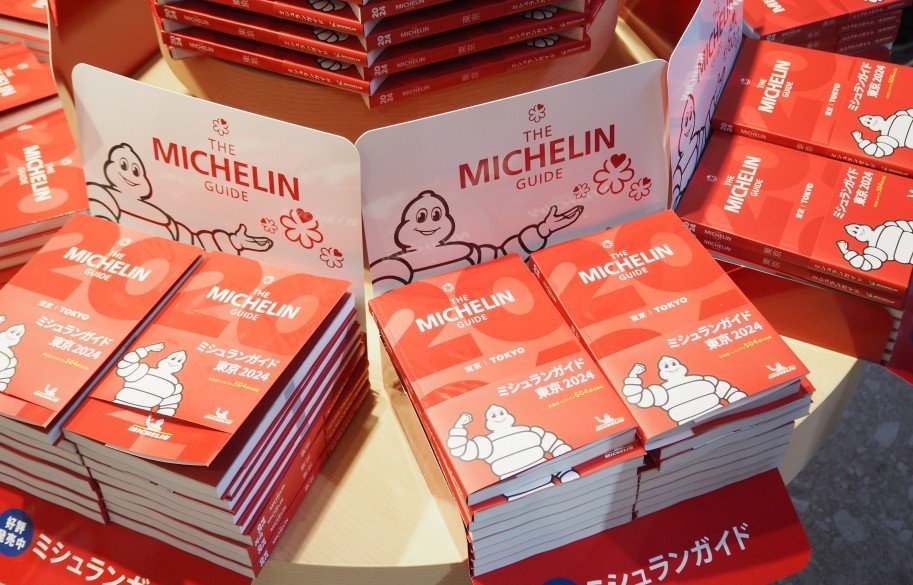
Inspectors typically work full-time for Michelin, dining out multiple times a week, often alone, and paying their own bills just like any other customer would. Some inspectors reportedly spend decades in the role without ever being publicly identified, treating their own anonymity as seriously as any restaurant treats its recipes.
The Pressure Turned Genuinely Deadly
For chefs, a Michelin star carries weight that goes far beyond prestige. Restaurants built entire business models, staffing, and identities around maintaining their rating. Losing a star, or even just facing rumors of losing one, could threaten everything a chef had spent decades building.
That pressure had real, tragic consequences. In 2003, celebrated three-star chef Bernard Loiseau died by suicide. It came shortly after a rival guide downgraded his restaurant, and rumors spread that Michelin itself might strip one of his stars. He had been struggling with serious debt and depression at the time. In 2016, another three-star chef, Benoît Violier, died the same way, under similarly intense pressure to maintain his restaurant’s elite standing.
Those losses forced Michelin to change how it delivers difficult news. The company now notifies chefs personally and privately ahead of major demotions. That gives them time to process the news away from public view, rather than finding out alongside everyone else. Some chefs have chosen a different way out entirely. In 2017, three-star chef Sébastien Bras publicly asked Michelin to remove his restaurant from the guide altogether. He cited the crushing pressure of trying to maintain his rating, and pointed directly to what had happened to Loiseau. Michelin honored the request.
Recent Podcast Episodes

Recent Adventures



Subscribe Today!
Subscribe
Your Ad Here!

Other Adventures You May Like

The Berners Street Hoax Buried One London Address in Unwanted Deliveries

Nils Olav, the Penguin the Norwegian Army Keeps Promoting
