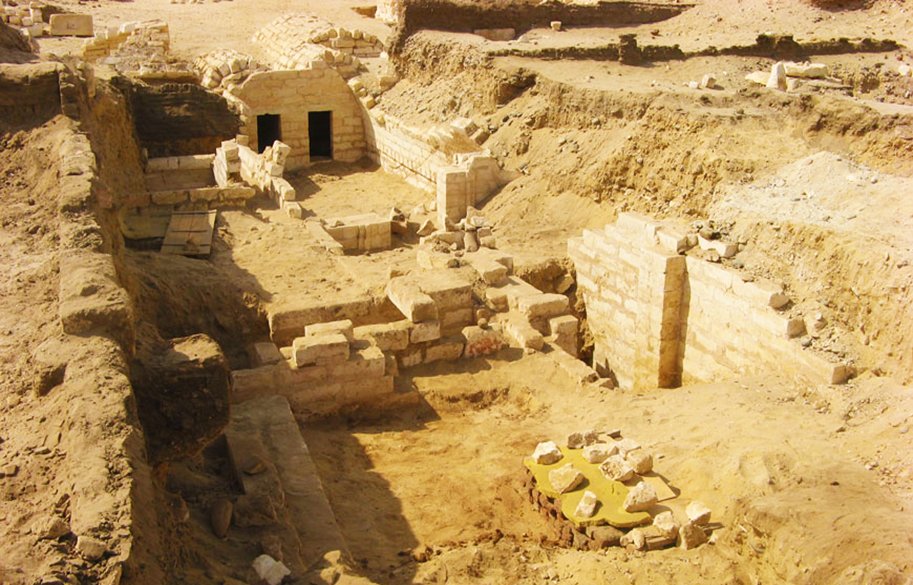
The Oak Island Money Pit: The 230-Year Treasure Hunt That Has Killed Six People and Found Almost Nothing
In 1795, a sixteen-year-old boy named Daniel McGinnis was crossing a small island off the coast of Nova Scotia when he noticed a circular depression in the ground near an old oak tree. He and two friends started digging. A few feet down they found flagstones. Every ten feet or so after that, they found oak log platforms placed horizontally across the shaft, like floors. The platforms looked engineered. Deliberate. Something had been put down there.
They dug to 30 feet without finding anything and gave up. But they told people what they had found, and those people told other people. Now, 230 years later the hole is still being dug. Six people have died in the process. No treasure has been confirmed. This is the Oak Island Money Pit, and it is one of the most expensive, most sustained, and most possibly pointless searches in recorded history.
What Happened Next
In 1803, a company called the Onslow Company arrived with money, equipment, and ambition. They dug deeper than the original boys had managed. According to accounts written decades later, they found a stone inscribed with characters at 90 feet. This stone supposedly decoded to the message “forty feet below, two million pounds are buried.” The stone itself has not been seen since the 1860s. The decoding was performed by a man connected to the treasure hunting company. This is the kind of thing you notice when you look closely at Oak Island’s history.
At 93 feet the pit flooded with seawater. Every attempt to pump it out failed. The water rose and fell with the tides, suggesting a connection to the ocean. Treasure hunters concluded that someone had engineered a flood tunnel to protect whatever lay below. Therefore, this became the central mythology of the Money Pit: an elaborate booby trap, designed by someone sophisticated enough to route tidal seawater into a shaft to drown anyone who dug too deep.
The Onslow Company went bankrupt. A new company took over in the 1820s, dug more, flooded again, and also went bankrupt. The pattern established itself early and has never really changed.
The Deaths
Six people have died in the Oak Island treasure hunt, spread across nearly 200 years.
The first death came in 1861 when a boiler engine exploded at the site, killing one worker. The second came in 1897 when a rope escaped from a pulley lifting a worker out of a pit, and he fell to his death. But the most catastrophic event came on August 17, 1965, when four men died in a single afternoon after swamp gas or engine fumes accumulated in one of the shafts. They went down one after another trying to rescue each other and each was overcome. The sixth death came in 1959, when a bystander died after a pump malfunction.
A local legend holds that seven men must die before the treasure reveals itself. Six deaths therefore sit one short of the prophecy’s threshold, which has generated its own industry of morbid commentary.
What Has Actually Been Found
This is where the story gets complicated, because the honest answer is: fragments of things, none of them conclusive.
Coconut fiber was found at a beach area called Smith’s Cove in 1851. Coconut palms do not grow in Nova Scotia. A sample went to the Smithsonian Institution, which confirmed it was coconut fiber. How it got there is unknown. A fragment of sheepskin parchment with two letters written in India ink came up on a drill bit in the 1890s. Moreover, wood structures carbon-dated to the 1600s have been found at depth. A lead cross with a design consistent with 16th-century Portuguese or Spanish origins came up. Two King Charles II coins minted in the 1600s were found on the surface. A stone wharf in the island’s swamp was determined to be at least 300 years old.
What none of this adds up to is treasure. It adds up to evidence that human activity happened on Oak Island at various points across several centuries. This is not especially surprising for an island on a major Atlantic shipping route.
The most significant negative finding came from geologist Robert Dunfield, who in the 1960s carefully examined the walls of the re-excavated pit and found no evidence of the flood tunnels that treasure hunters had built their entire theory around. Moreover, the Woods Hole Oceanographic Institution conducted the only known scientific study of the site in 1995 and reached no conclusions supporting the treasure hypothesis.

Franklin Roosevelt and the Celebrities
The Money Pit has attracted famous investors since early in its history, which is one of the things that keeps it in cultural circulation.
Franklin Delano Roosevelt joined a treasure hunting syndicate on Oak Island in 1909 at age 27 and maintained a personal interest in developments there throughout his presidency. He planned a visit in 1939 that the outbreak of World War II prevented. Errol Flynn and John Wayne both invested in Oak Island expeditions at various points. Additionally, the History Channel series The Curse of Oak Island, documenting the ongoing search by Michigan brothers Rick and Marty Lagina, has run for eleven seasons as of 2026.
The celebrity attention and television longevity suggest something important: the Money Pit is a genuinely compelling story regardless of whether it contains treasure. There is a mysterious shaft, elaborate apparent defenses, a string of deaths, 230 years of obsession, and fragments of evidence that could mean something or could mean nothing. That combination works as narrative even if it fails as archaeology.
Recent Podcast Episodes

Recent Adventures


Subscribe Today!
Subscribe
Your Ad Here!

Other Adventures You May Like

Tell Fara: The Flood Layer Just Found Beneath Iraq’s Oldest Known Ruins
Minanbé: The Untouched Maya City Hidden So Well Archaeologists Had to Machete Through Miles of Jungle to Find It