The Transatlantic Telegraph Cable: The Victorian Engineering Project That Took Eight Years, Two Ships, and Three Attempts
Before this project existed, a message between London and New York took ten days by ship. After it existed, the same message arrived in minutes. The gap between those two realities is one of the largest single jumps in communication speed in human history, and the story of how it got bridged is much messier, more expensive, and more embarrassing than the triumphant version most people know.

The Man Behind It
Cyrus West Field was a New York paper manufacturer who retired at 33 with $250,000 in the bank and immediately started looking for something ambitious to do with his life. In 1854 he got involved with a plan to lay a telegraph cable across the Atlantic Ocean, connecting Newfoundland to Ireland. Everyone told him it was impossible. He spent the next twelve years proving them only partially right.
The project needed a cable that could withstand the pressure of the Atlantic at depths exceeding two miles. It needed ships large enough to carry nearly 2,000 miles of it. It needed investors willing to pour money into something with no precedent and no guarantee. Field talked them all into it, repeatedly, even after catastrophic failure.
The First Attempt: 1857
The first expedition left Ireland in August 1857. The plan was to unspool the cable from the ship as it crossed the Atlantic. The cable snapped approximately 200 miles from shore. The expedition returned home. Field raised more money. He tried again the following year.
The Second Attempt: 1858
In 1858, the plan changed. Two ships, the HMS Agamemnon and the USS Niagara, would meet in the middle of the Atlantic, splice their cables together, and sail in opposite directions toward their respective shores. This way each ship only had to cover half the distance.
In June 1858, a ferocious storm nearly sank the Agamemnon. The cable on her ship snapped after she had traveled about 100 miles from the splice point. The ships returned to harbor. Field had now lost $2.5 million of his investors’ money.
He tried again the following month. This time both ships successfully reached their destinations. The Agamemnon arrived at Valentia Island, Ireland, on August 5. The Niagara arrived at Trinity Bay, Newfoundland, the same day. On August 16, Queen Victoria sent a message to President James Buchanan. New York erupted in celebration. Church bells rang. Field was a hero.
Three weeks later, the cable stopped working. An engineer had pushed too much electrical current through it trying to speed up transmissions, and burned it out. The cable that had just connected two continents for the first time in history was dead. Field, who days earlier had been receiving medals and parades, became an object of public ridicule. Some people accused him of having staged the whole thing as a fraud.

The Third Attempt: 1865 and 1866
Seven years passed. The Civil War intervened. Finally, in 1865, Field organized a third expedition. This time he had a better cable, better equipment, and the SS Great Eastern, a massive steamship designed by Isambard Kingdom Brunel that was large enough to carry the entire 2,000-mile cable in a single hold. No more two-ship splicing. No more meeting in the middle.
The 1865 attempt went well until 600 miles from Newfoundland, when the cable snapped and sank to the ocean floor. The crew spent days trying to recover it with grappling hooks. After 30 attempts, they gave up and marked the position with a buoy.
Field returned in 1866 with the Great Eastern and a replacement cable. This time the laying went smoothly. On July 27, 1866, a permanent working cable connected Europe and North America. Field then turned the Great Eastern around, returned to the buoy marker from the previous year, and after 30 more attempts, recovered the lost 1865 cable from the ocean floor. He spliced it to a new section and successfully completed a second cable the same year. Two working cables, where there had been none. Ten days reduced to minutes.
Recent Podcast Episodes

Recent Adventures

Subscribe Today!
Subscribe
Your Ad Here!

Other Adventures You May Like
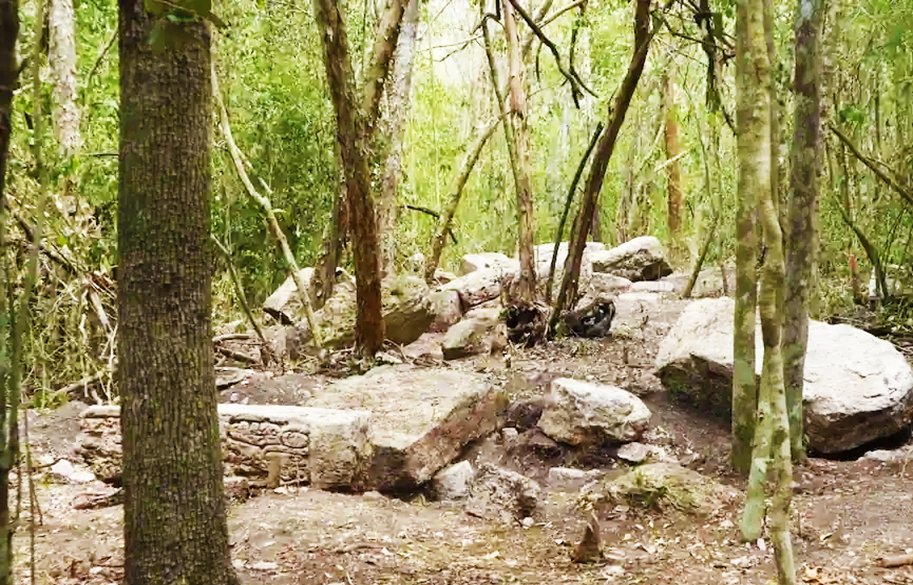
Minanbé: The Untouched Maya City Hidden So Well Archaeologists Had to Machete Through Miles of Jungle to Find It
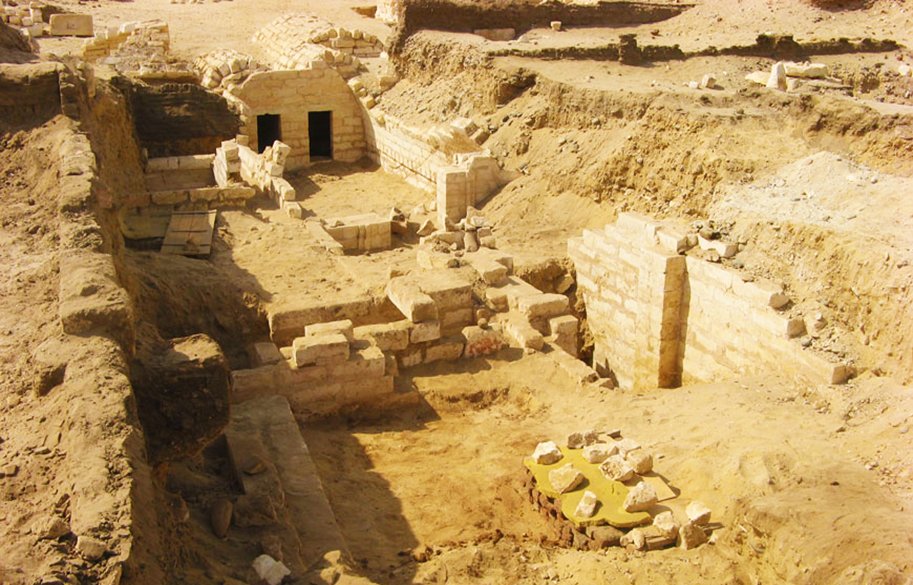
The Iliad in the Mummy Wrappings: What a 1,600-Year-Old Fragment of Homer Was Doing Inside an Egyptian Burial