The Trojan Horse: The Real Reason That Myth Was Probably Just a Ship
The Trojan Horse is one of those foundational stories every single person knows about. Even if you’ve never paid attention in history class, you know the gist of it: a massive wooden horse, a city celebrating way too early, and a group of very patient Greek soldiers waiting inside.
But here’s the genuinely strange, historian-nerd part: the famous horse isn’t actually in Homer’s Iliad at all, and the more you look at the real archaeological and linguistic evidence, the more the entire story starts to wobble. What if the horse wasn’t a literal wooden horse at all? What if it was… something else entirely? The deeper you go, the more the traditional story unravels into this fascinating, chaotic intersection of mythology, ancient naval terminology, and poetic license.
The Horse That Shows Up… After the Main Event
Let’s start with the nerdy literary technicality that instantly throws shade on the traditional narrative: Homer never describes the horse directly. The Iliad ends before the actual, final sack of Troy, focusing instead on the heroes, the feuds, and the endless carnage of the siege. This leaves the entire “giant wooden gift” business to much later works. Specifically, the Odyssey and, most famously, Virgil’s Aeneid centuries later.
That fact alone is telling, right? If the horse had been this spectacularly real, unprecedented, game-changing war machine, wouldn’t it at least get a cameo in the main epic poem? Instead, it shows up as a hazy memory. A retelling. A story told inside another story.
The Ship Theory
Here’s where you need to put on your ancient Greek terminology hat. In ancient Greek naval vocabulary, a “hippos”, literally meaning “horse”, was a specific, recognized type of warship. These weren’t just any boats. They were often highly decorated with a fierce, carved horse-headed prow. Think of it like a figurehead, but more common and used to designate the class of ship.
Now, imagine you are an ancient poet (say, Virgil) describing a cunning naval trick to an audience who mostly knows about ships, but who also love high drama. Calling the deceptive ship simply a “horse” would feel perfectly normal and instantly recognizable to your contemporary audience. Everyone would know what you meant. But centuries later, after the cultural context faded, readers suddenly started assuming the story was literal, picturing a giant wooden animal.
Let’s re-read the myth through this lens:
A “horse with men inside” may have originally meant: “a horse-prowed warship filled with soldiers.” Troy “dragged the horse inside its walls” could easily mean: “They foolishly allowed the deceptive ship to enter their harbor or dry dock.” The soldiers “bursting out” simply describes: “A surprise naval landing or a hidden force pouring out of the ship’s hold.”
It’s the kind of linguistic shift that seems tiny and boring on paper but makes total sense in storytelling terms. Honestly, it is far more plausible that the Greeks tricked Troy by floating a deceptive, horse-prowed ship into their port than by fabricating a colossal wooden animal on wheels.
A Trick, Not a Sculpture
The ship theory is great, but there are other subtle versions of the story that scholars quietly prefer because they rely less on massive literal objects.
One strong theory suggests the horse wasn’t a structure at all. Instead, it was a ritual offering or a tribute. Horses were sacred to Poseidon, who wasn’t just the god of the sea, but also the terrifying god of earthquakes and, crucially, the god responsible for walls being violently opened.
“Giving Troy a horse” could’ve meant offering something in Poseidon’s honor just before they used his “blessing” as symbolic justification for ramming through the gates. Again, poets loved metaphors and double meanings. Ancient audiences loved decoding them. We are the ones who later demanded that everything in mythology be completely literalized, even when the original story was clearly never intended to be taken that way.
The Archaeology That Just Doesn’t Support the Narrative
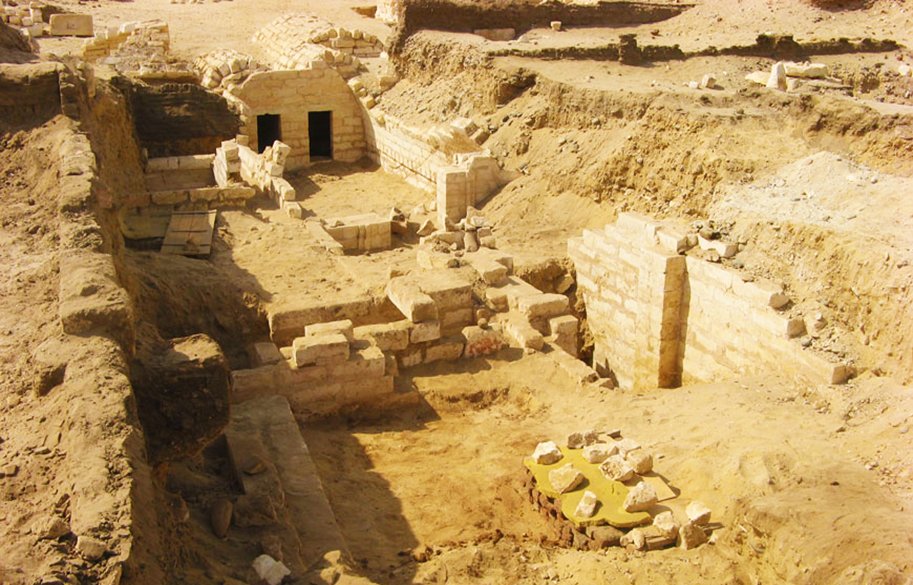
When archaeologists dug up the multiple layers of Troy, they didn’t find giant wooden beams that would have belonged to a mega-sculpture. Sure, wood doesn’t age well, but we usually find impressions, huge nail patterns, or framework remnants that hint at that kind of massive scale. What we did find are undeniable traces of a city destroyed by catastrophic fire, evidence of internal sabotage or infiltration, and signs of a sudden, chaotic night attack.

Everything points to a sudden, violent breach, not a months-long carpentry project. The literal horse myth, viewed from the archaeological angle, starts to look suspiciously like a narrative band-aid, like something polished and dramatically satisfying enough to retroactively explain how such a massive, fortified city fell so abruptly.
The Most Likely Version
Once the story of the “horse” started growing legs (and hooves, apparently), there was absolutely no stopping it. Later Greek writers leaned fully into the literal, giant wooden horse because it made the Greeks look incredibly clever, and the Trojans look spectacularly, tragically foolish.
By the time Virgil wrote the Aeneid for a Roman audience, he had turned the Horse into a full-scale, devastating moral lesson about the danger of trusting enemies bearing gifts. It was essentially political theater with a healthy dose of mythological seasoning. The truth is, nobody reading it in the first century BCE thought they were reading a historical documentary. They understood it as poetic propaganda, exactly as intended. We are the ones who forgot to read the fine print and demanded that the story had to be literal.
So Was There Ever a Horse?
Yes, but probably not the massive version everyone pictures today. The most realistic scenario is a combination of factors: a clever naval trick involving a ship with a horse prow and soldiers inside, a ritual symbol that was later misunderstood, and a later, flourishing poetic tradition that hardened a simple metaphor into a colossal, concrete object. But this story just proves how much we love tricks, revenge, ironic gifts, and dramatic last acts. The Horse is myth storytelling at its most satisfying—clean, theatrical, and morally packaged.
Recent Podcast Episodes

Recent Adventures



Subscribe Today!
Subscribe
Your Ad Here!

Other Adventures You May Like

Tell Fara: The Flood Layer Just Found Beneath Iraq’s Oldest Known Ruins

Minanbé: The Untouched Maya City Hidden So Well Archaeologists Had to Machete Through Miles of Jungle to Find It