
The U.S. Island Where Wild Horses Still Roam Freely
Imagine watching a herd of horses emerge from the mist on a barrier island. Welcome to Assateague Island, one of the last places in the United States where wild horses still live, truly and freely, as they have for hundreds of years.
If you haven’t heard of it, that’s understandable. Despite being managed in part by the National Park Service, Assateague somehow still flies under the radar. But that’s kind of the point. It’s raw, quiet, and unpolished. And the horses are just the beginning.
First, let’s get the basics out of the way
Assateague is a 37-mile-long barrier island, with the northern two-thirds in Maryland and the southern third in Virginia. It’s part beach, part marsh, part pine forest. But for the most part, it’s a nature lesson in what happens when humans mostly leave things alone.
And yes, the horses are real. They move when they want, where they want. They drink rainwater, eat salt-marsh grasses, and somehow endure the punishing coastal storms that roll through every year.
In Maryland, they’re managed by the National Park Service, which keeps a careful distance and limits the population with contraceptives (not as dramatic as it sounds). In Virginia, the herd is technically owned by the Chincoteague Volunteer Fire Company, which rounds them up once a year for the famous pony swim and auction.
Wait, what’s the pony swim?
If you’ve read Misty of Chincoteague, this might ring a bell. Once a year, in late July, the horses on the Virginia side are gently herded across the Assateague Channel to Chincoteague Island. It’s exactly what it sounds like: horses swimming across open water while spectators line the shore and cheer them on.
The foals are then auctioned off to keep the population sustainable (and fund local services), and the rest of the herd is returned to Assateague. Some people love the tradition. Others raise concerns about the stress on the animals. It’s complicated, like most things that involve wild creatures and human rituals. But it’s undeniably a huge part of this region’s history.
So… where did the horses even come from?
Good question. No one knows for sure. The romantic version? A Spanish galleon wrecked offshore in the 1600s, and a handful of horses swam to safety. It’s cinematic, but not impossible. Shipwrecks were frequent here, hence all the lighthouses and ghost stories.

The more likely explanation is that early settlers let livestock graze on the island to avoid fencing regulations and taxes. Horses, being horses, did what they do best: survive and adapt. Whatever the origin, they’ve been here for centuries. And over time, they’ve evolved into a tough, salt-resistant breed that’s short, sturdy, and capable of surviving on a diet most horses would turn their noses up at.
Visiting Assateague Island
If you’re interested in visiting this place, late spring and early fall are ideal. There are fewer bugs, fewer crowds, and a better chance at mild weather. July and August are hot, humid, and often swarmed with families and mosquitoes. If you’re going in the thick of summer, go early in the morning or closer to sunset. If you’re planning around the pony swim, it’s typically held the last Wednesday in July. Expect big crowds and book early.
Recent Podcast Episodes

Recent Adventures
Subscribe Today!
Subscribe
Your Ad Here!

Other Adventures You May Like
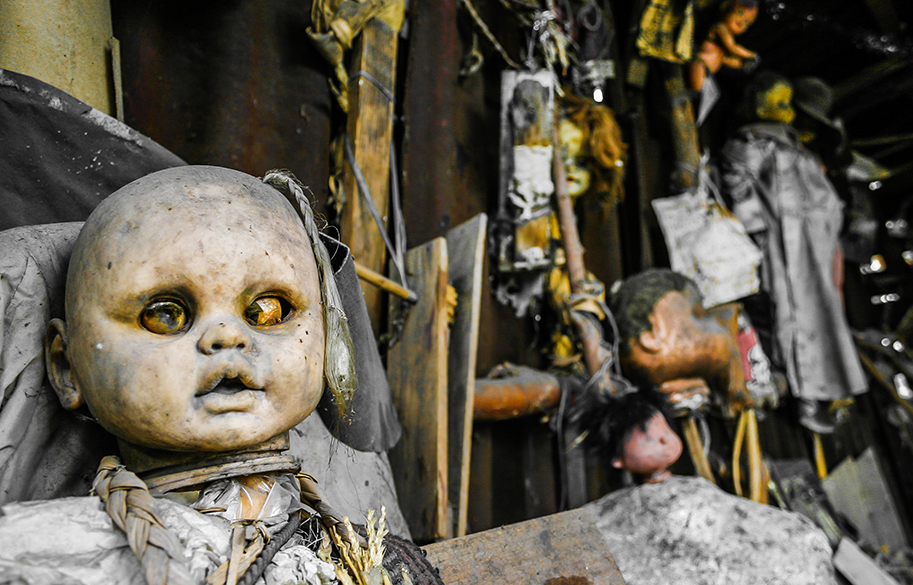
Xochimilco’s Island of the Dolls: Mexico’s Most Unsettling Tourist Attraction
The Nain Rouge: Detroit’s Own Legendary Red Dwarf and the Disasters It’s Blamed For
