
The Winnipeg General Strike of 1919: The Six Weeks Canada’s Second-Largest City Shut Down
At 11 a.m. on May 15, 1919, workers in Winnipeg walked off the job. Within weeks, roughly 30,000 people had joined them, union and non-union alike, from garment workers to police officers. For six weeks, the city barely functioned. It ended with two dead protesters, dozens wounded, and federal troops patrolling Winnipeg’s streets.
Soldiers Came Home to Nothing Worth Coming Home For
The strike didn’t erupt out of nowhere. Soldiers returning from World War I found high unemployment and jobs that no longer existed. Inflation had eaten away at wages, and working conditions across the city were genuinely dismal. Meanwhile, the 1917 Russian Revolution had labor leaders across Western Canada watching closely, and many had recently met to form what they called One Big Union.
Negotiations between employers and workers in the building and metal trades collapsed that May. So a general strike got called, and it spread fast. Within days, tens of thousands of workers across nearly every sector had joined in solidarity. Sympathy strikes broke out in other Canadian cities too. For six weeks, Winnipeg essentially stopped running.
The Government Treated It Like a Conspiracy
Federal officials didn’t see a labor dispute. They saw something closer to a foreign-inspired plot. On June 17, authorities arrested ten strike leaders, including A.A. Heaps, who later became a member of Parliament and helped shape Canada’s early social welfare legislation. Police searched the strike leaders’ homes, plus the Ukrainian Labour Temple and the Liberty Temple, hunting for what they called seditious material.
Returning veterans, meanwhile, weren’t unified on any of this. Some backed the strikers completely. Others opposed them just as strongly. But pro-strike veterans organized a silent parade to protest the arrests, going ahead even though the Strike Committee itself had actually asked them not to.
Bloody Saturday Turned a Protest Into a Riot
On June 21, roughly 25,000 to 30,000 people gathered downtown for what was supposed to be that silent parade. Then a streetcar, driven by a strikebreaker, rolled into the crowd. Strikers rushed it, tried to tip it over, and set it on fire.
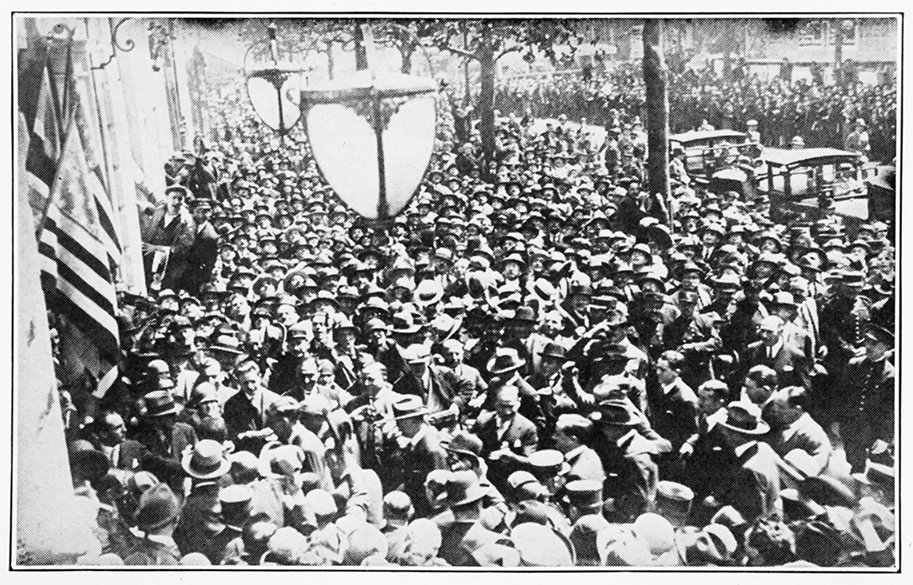
Winnipeg’s mayor read the Riot Act. The Royal North-West Mounted Police, along with newly hired “special” officers, charged the crowd on horseback, swinging clubs and firing directly into the mass of people. Two protesters died. Officers wounded dozens more, and arrested more than 80 people that day alone. Federal troops moved in afterward and occupied the streets. One veteran, describing the police response, said they’d treated him worse than he’d ever treated the enemy soldiers he’d fought overseas.
The day became known as Bloody Saturday, and it effectively broke the strike. On June 26, fearing another violent confrontation, the Strike Committee called the whole thing off. Workers went back to their jobs that morning. Many of them, though, didn’t have jobs to go back to. Some strikers lost their positions permanently. Authorities painted others as dangerous foreign agitators and deported them outright.
Strike leaders faced criminal trials afterward. Courts acquitted three of them. The rest received sentences ranging from six months to two years, with organizer Robert Russell getting the harshest term.
It Lost the Battle, but the Fight Kept Going
In the moment, the strike looked like a total defeat. Crushed by force, its leaders imprisoned or exiled, its workers unemployed. But its long-term influence turned out to be much bigger than that ending suggested. It remains one of the largest labor actions in Canadian history, and it genuinely shifted the country’s political mood in the years that followed. More liberal governments began promising real labor reform. A.A. Heaps, arrested that June for organizing against the government, later became part of it, helping build the social safety net Canada still relies on today.
Recent Podcast Episodes

Recent Adventures



Subscribe Today!
Subscribe
Your Ad Here!

Other Adventures You May Like

The Berners Street Hoax Buried One London Address in Unwanted Deliveries

Nils Olav, the Penguin the Norwegian Army Keeps Promoting
