Why the Ancient Egyptians Shaved Their Eyebrows for Cats (And Why They Were So Obsessed With Them)
In the grand list of human quirks, few things compare to the ancient Egyptian obsession with cats. Sure, we modern humans love our fluffy companions too. Our camera rolles are oveflowing with pictures of them, we dedicate entire TikTok accounts to their chaos, and buy them designer beds they never use. But ancient Egypt? They took it to another level.
We’re talking temples, laws, gods, and, yes, shaving their eyebrows in mourning when their cat died. So how did a society that built the pyramids also decide that feline eyebrow grief was a national mood? Let’s find out.

The Cat That Became a Goddess
To understand Egypt’s cat craze, you’ve got to start with Bastet. Bastet (sometimes spelled Bast) wasn’t just a goddess — she was the goddess. At first, she was depicted as a fierce lioness, the daughter of the sun god Ra, a protector of pharaohs and slayer of enemies. Over time, though, as Egyptian culture shifted toward peace and domestic life, Bastet’s image softened into something more relatable: a house cat.
Her new form represented not just power but grace, fertility, and home life — all wrapped up in one beautiful, mysterious creature that could purr and kill a snake in the same day.
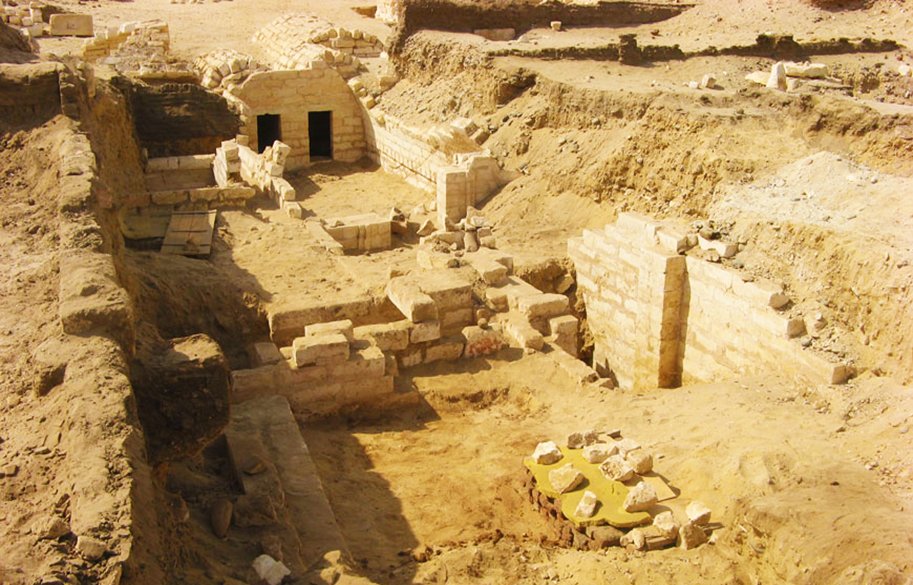
Temples were built in her honor, especially in the city of Bubastis, which basically became ancient Egypt’s version of a cat lover’s paradise. Cats roamed freely through temple grounds, and archaeologists have found mummified cats by the thousands there — literal feline tombs lined with gold and carvings praising Bastet. It wasn’t just religion — it was reverence.
More Than Pets
Cats weren’t just cute or symbolic. They were useful. Egypt was an agricultural civilization, and the Nile’s fertile banks were heaven for grain — and, unfortunately, rodents. Enter the cat.
These small predators helped protect the food supply by hunting mice and snakes, effectively keeping disease and famine at bay. Over time, this practical relationship turned spiritual. Egyptians began to see cats as protectors not only of grain but of life itself — divine guardians sent by Bastet.
That’s why killing a cat, even by accident, was considered a serious crime. According to several ancient accounts (including the Greek historian Herodotus), a person who harmed a cat could be sentenced to death. There are even stories of mobs attacking foreigners who accidentally killed one. Let that sink in — they mummified their cats and executed people who killed them. That’s not just affection. That’s devotion.
The Eyebrow Thing
Now, about the shaved eyebrows. When a cat in the household died, Egyptians didn’t just shrug and move on — they mourned deeply. To express their grief, family members would shave off their eyebrows as a visible symbol of sorrow. This wasn’t a quirky fashion choice, it was sacred ritual.
The loss of a cat was treated like the loss of a family member, and Egyptians would refrain from normal activities until their eyebrows grew back. Why eyebrows specifically? Historians think it had to do with visibility. Unlike shaving your head (which was already common), missing eyebrows were an unmistakable public sign of mourning. It was subtle, but powerful. It was their way of saying, “I’ve lost someone important.”
The Cat Economy
Because of their divine status, cats were also part of Egypt’s economy — and even its politics. Cat breeding became a legitimate business, with temples housing massive sanctuaries of cats bred for worship and sacrifice.
When someone wanted to make an offering to Bastet, they might buy a mummified cat — yes, literally a cat mummy — to place at the goddess’s temple. Archaeologists have found vast cat cemeteries filled with these offerings, some wrapped in linen finer than what humans wore.
There was even a black-market trade in fake mummified cats (which, honestly, feels like the most ancient Egyptian scam imaginable). Some priests apparently stuffed bandages with straw or bird bones and sold them as “holy” offerings. Even in the afterlife industry, cats meant money.

Why the Obsession Lasted
Part of Egypt’s cat worship comes down to personality. Cats were unpredictable, independent, and mysterious — just like the gods they were said to represent. They could be calm one moment and deadly the next. To Egyptians, that was divine.
Their dual nature, sweet yet fierce, nurturing yet dangerous, mirrored the balance Egyptians sought in the universe: order and chaos, life and death, desert and Nile. And while other animals held sacred status too (like ibises, crocodiles, and falcons), cats held a special place because they lived with people. They weren’t wild symbols of gods — they were gods that slept by your fire.
The Decline of the Cat Cult
When Egypt was conquered by the Romans, Bastet’s worship began to fade. Cats went from divine protectors to beloved companions. But the respect never fully vanished. Even as centuries passed, cats remained intertwined with Egyptian identity — symbols of mystery, elegance, and protection. Ironically, the Romans ended up adopting some of that affection themselves. They brought cats back to Europe, where they slowly evolved into the domestic companions we know today.
So in a way, every cat curled up on a couch owes its comfy life to Bastet and the people who thought no house or temple was complete without one. Next time your cat knocks a glass off the counter or ignores your calls, remember they’re not just being dramatic. They’re channeling 4,000 years of divine entitlement.
Recent Podcast Episodes

Recent Adventures



Subscribe Today!
Subscribe
Your Ad Here!

Other Adventures You May Like

Tell Fara: The Flood Layer Just Found Beneath Iraq’s Oldest Known Ruins

Minanbé: The Untouched Maya City Hidden So Well Archaeologists Had to Machete Through Miles of Jungle to Find It