
Camping and Mountains: Top 3 Treks for an Active Adventure
Sleeping in a tent after a long day of ascending rocky paths or resting in a high-altitude hut surrounded by vertical rock walls — that is the essence of an active mountain adventure. Multi-day treks offer more than just exercise; they provide an immersive experience where the journey itself becomes the destination. From the Mediterranean coast of Turkey to the dramatic limestone cathedrals of Italy and the glacial moraines of Nepal, each route presents unique challenges and rewards. Below are three exceptional treks that combine camping or hut stays with some of the most spectacular mountain scenery on Earth.
Organising such expeditions requires careful planning, local knowledge, and reliable logistics. An experienced tour operator Extremeguide https://extremeguide.pro/en/ provides structured itineraries that handle permits, accommodation, and seasonal timing. This allows trekkers to focus entirely on the physical experience and the surrounding beauty. The following three tours represent distinct styles of mountain adventure, from beginner-friendly coastal paths to serious high-altitude challenges.
The Lycian Way: Chimera and Coastal Camping in Turkey
Along the southwestern coast of Turkey, a path winds through pine forests with the Mediterranean glittering below. This section of the Lycian Way leads to one of the most unusual campsites on the planet: the Chimera, also known as Yanartaş. Here, natural methane vents have burned continuously for millennia, creating eternal flames that flicker directly from cracks in the rocky hillside. Setting up a tent within walking distance of this phenomenon transforms an ordinary trek into something almost mythical.
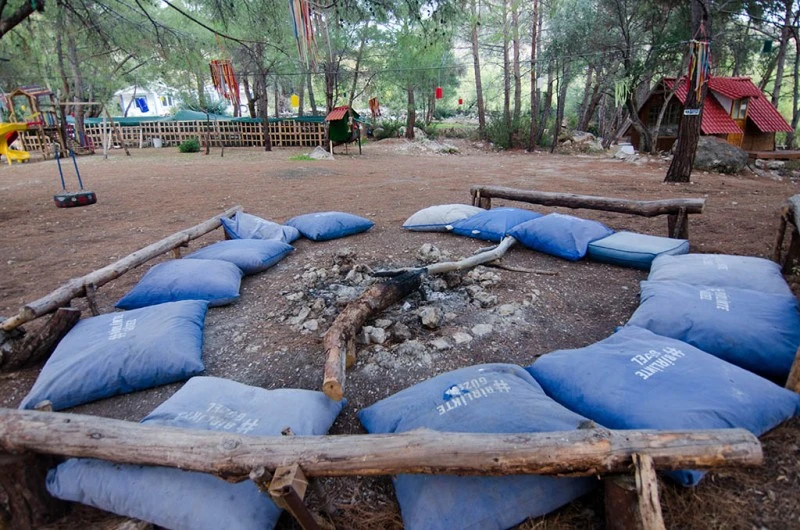
The walking itself remains moderate in difficulty, with daily ascents that never become punishing. Ancient stone roads, remnants of Lycian civilization, appear beneath the feet. Shady valleys offer respite from the sun, and small family-run gardens provide fresh orange juice along the way. The season runs from April through October, with spring and autumn offering the most pleasant temperatures. Before heading out, here are the core details of this coastal mountain trek:
- Destinations covered: Cirali, the Chimera (Yanartaş), and the ancient ruins of Olympos.
- Operating season: Tours available from April to October, avoiding winter rains and cold.
- Accommodation style: A combination of camping under the stars and staying in bungalows.
- Unique feature: Camping directly next to the eternal flames of the Chimera.
- Activity type: Multi-day hiking with a focus on nature, history, and coastal scenery.
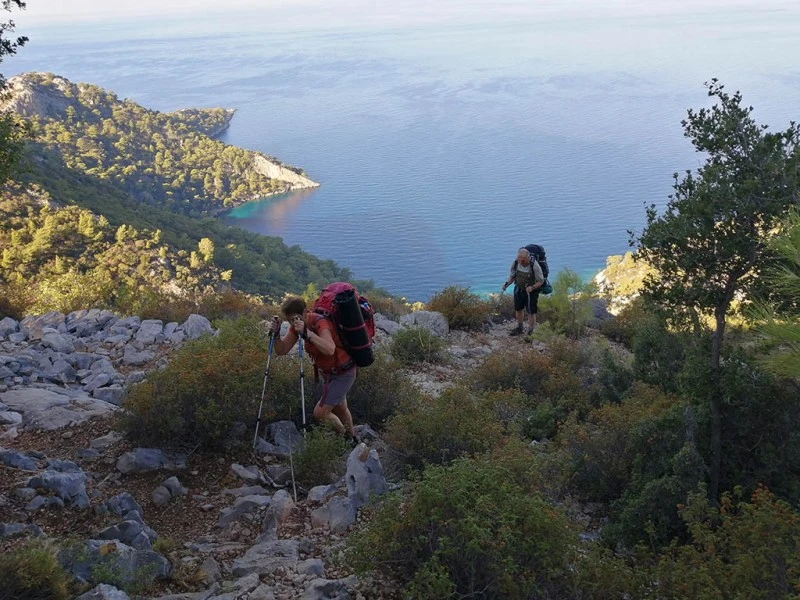
After several days on this trail, the rhythm of walking, swimming, and sleeping outdoors becomes second nature. The evenings near the Chimera bring an eerie orange glow against the darkening sky, with the distant sound of waves from the shore below. No technical skills are required, only a decent fitness level and a willingness to carry water on drier sections. For anyone seeking an active adventure that blends archaeology, mythology, and coastal camping, this Turkish route delivers a memorable experience.
Dolomites High Route: Via Ferrata and Hut Trekking in Italy
Moving north to the Italian Alps, the landscape transforms dramatically. The Dolomites rise as jagged limestone spires, vertical rock faces, and deep green valleys — a UNESCO World Heritage site recognised for extraordinary natural beauty. Here, camping in the wild is largely restricted, so the tradition of via ferrata (iron paths) and hut-to-hut trekking takes centre stage. Instead of carrying a tent, walkers stay in mountain refuges called rifugi, which offer warm meals, bunk beds, and spectacular views from their perches on high ledges.
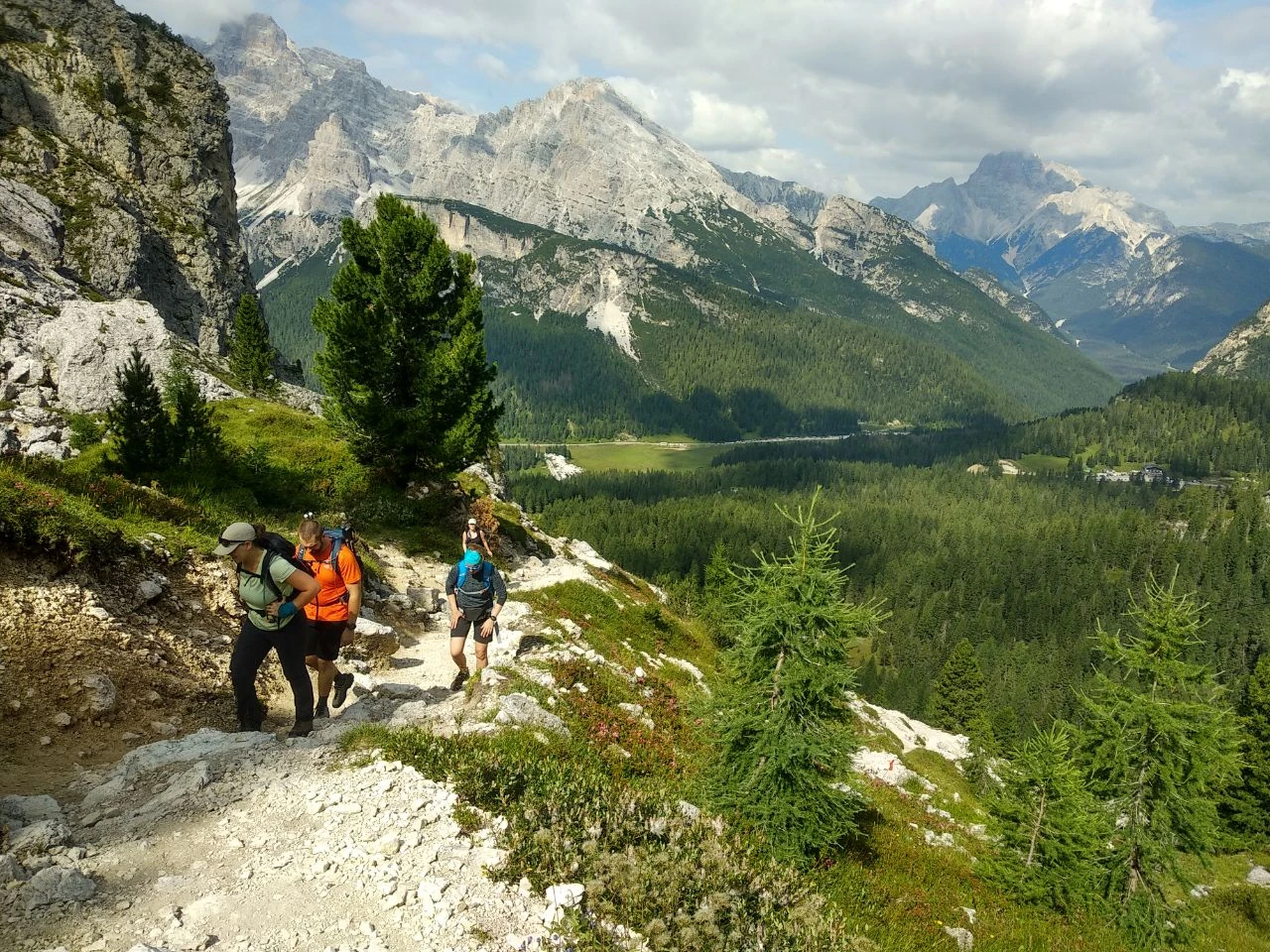
Protected climbing routes using steel cables and fixed ladders allow access to terrain that would otherwise require full rock-climbing gear. A helmet, harness, and via ferrata set become essential tools. The exposure can be intimidating, but the rewards include traversing airy ledges, crossing suspended bridges over deep ravines, and reaching passes where the entire Dolomite range unfolds in every direction. This particular itinerary visits some of the most iconic groups, including the Tre Cime di Lavaredo and the Cinque Torri. The specific details are as follows:
- Main destinations: Tre Cime di Lavaredo, Cinque Torri, and the hidden valleys of the Dolomites.
- Accommodation: Overnight stays in mountain refuges (rifugi) — no camping equipment required.
- Activity type: Trekking combined with via ferrata sections involving cables and ladders.
- Operating season: Scheduled departures available in July and August, the peak summer window.
- Cultural element: Staying in historic refuges that are iconic to the Alpine region.
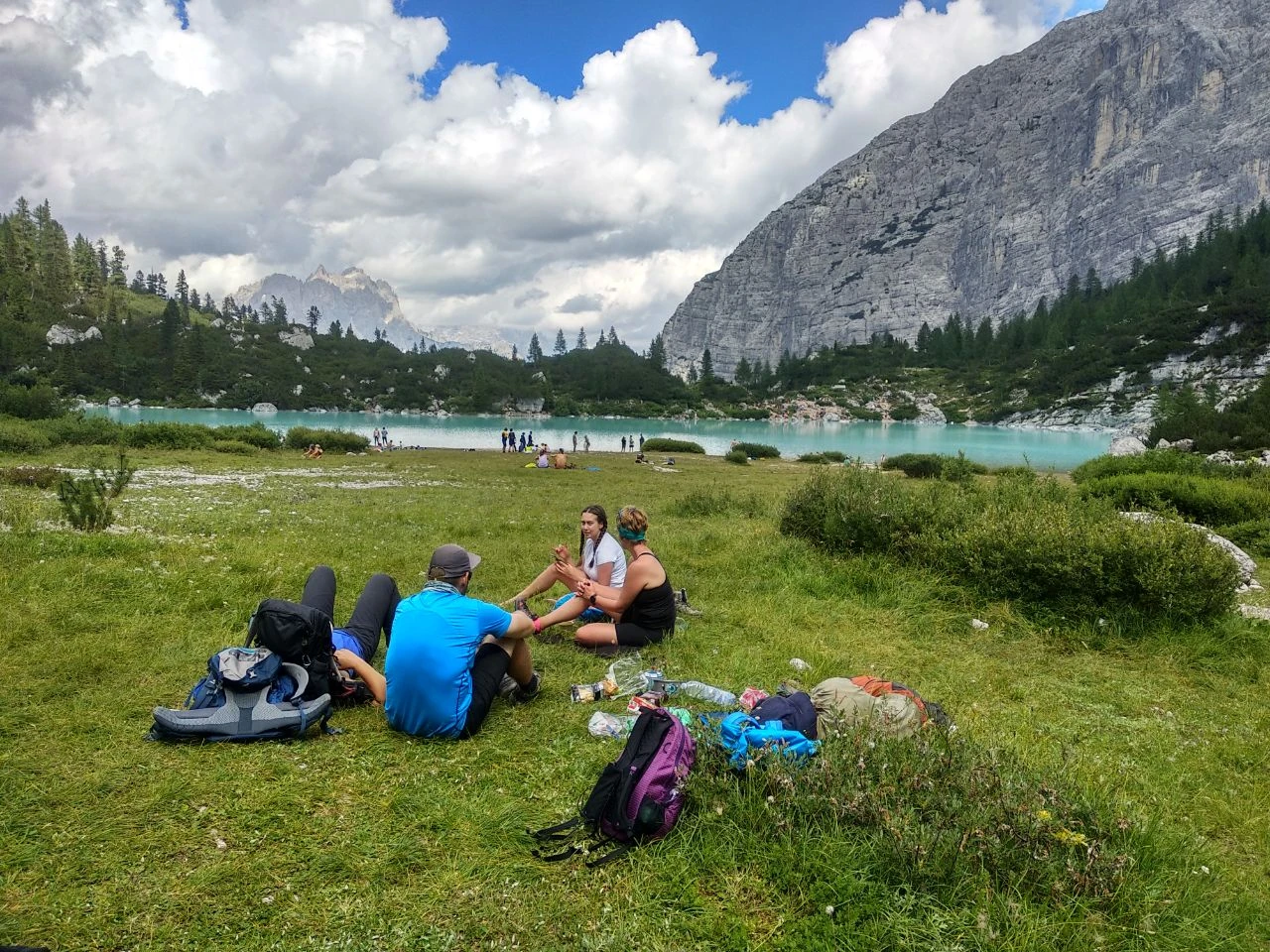
A week in the Dolomites leaves a lasting impression of verticality and light. The limestone walls change colour throughout the day, from cool grey in the morning to warm gold at sunset. Conversations with other trekkers from across Europe and beyond fill the rifugi each evening, creating a social atmosphere rarely found on wild camping trips. Cooler temperatures even in summer require proper layering, and sudden thunderstorms demand respect. This trek sits perfectly between standard hiking and technical climbing, offering an active adventure for those ready to step onto steel cables.
Everest Base Camp: High-Altitude Trekking in Nepal’s Khumbu Region
The ultimate pilgrimage for mountain trekkers leads to Nepal and the Khumbu region, home to the world’s highest peaks. The trek to Everest Base Camp (EBC) reaches an elevation of 5,364 metres, and the optional ascent of Kala Patthar adds another 181 metres. This is not a technical climb requiring ropes or ice axes, but it demands serious physical preparation and respect for altitude sickness. Instead of camping, trekkers stay in teahouses — simple, welcoming lodges operated by Sherpa families, where dal bhat and sweet milk tea provide warmth and energy after long walking days.
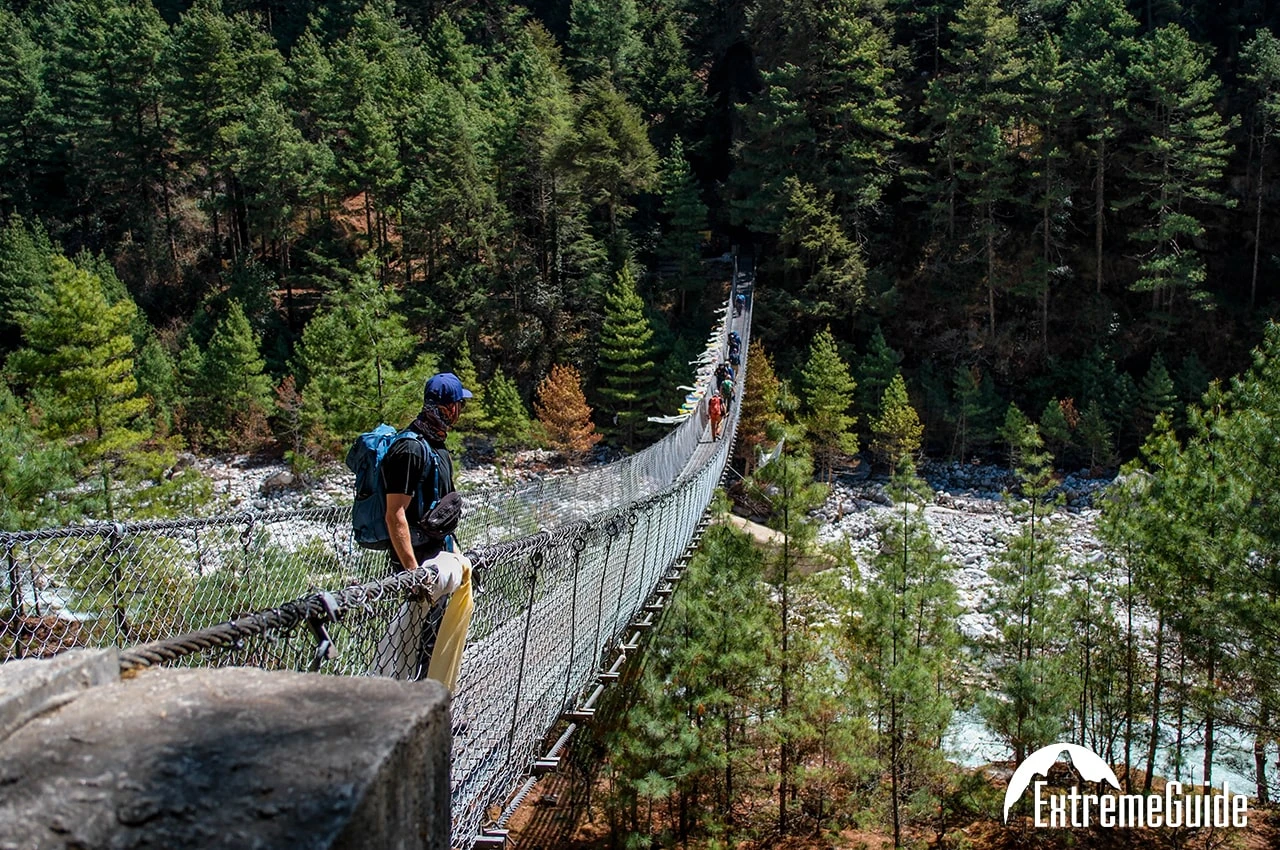
The journey begins with a short but famous flight from Kathmandu to Lukla, whose runway sits on a steep hillside. From there, the trail follows the Dudh Koshi River valley through forests of rhododendron and pine, past prayer wheels and mani stones. Namche Bazaar, the bustling gateway to the high Himalayas, serves as the first major acclimatisation stop. Higher up, the landscape turns barren and rocky, with the Khumbu Glacier spreading its moraines across the valley floor. The final approach to Base Camp brings trekkers face to face with the Khumbu Icefall, surrounded by the massive forms of Nuptse, Pumori, and Everest itself. The tour specifications are listed below:
- Route: Classic path from Lukla to Everest Base Camp, including sunrise at Kala Patthar.
- Duration and distance: 12 days of trekking covering approximately 130 kilometres of mountain terrain.
- Maximum altitude: 5,545 metres at the summit of Kala Patthar (viewpoint above Base Camp).
- Accommodation: Traditional teahouses run by local Sherpa families.
- Transport: Includes round-trip flights between Kathmandu and Lukla airport.
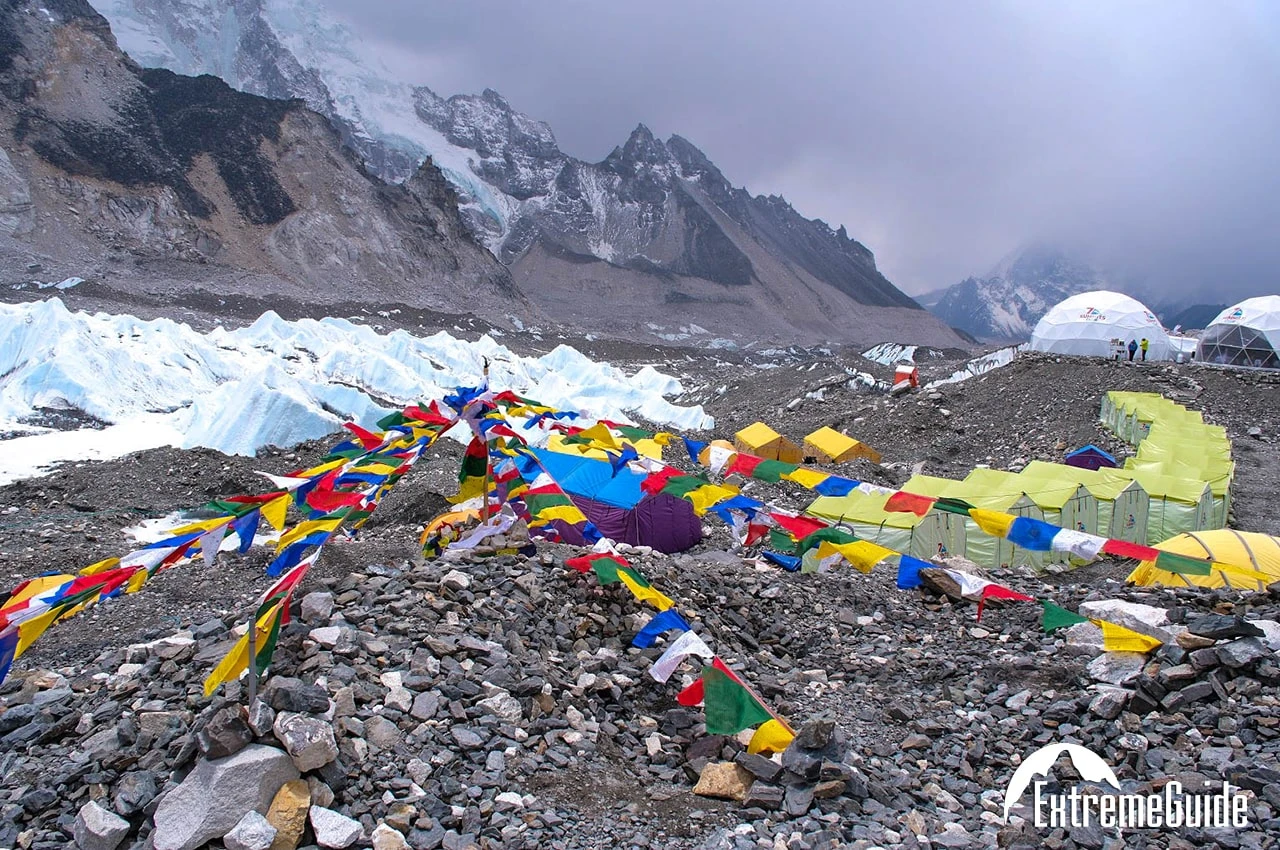
Returning from Everest Base Camp brings a mix of exhaustion and quiet pride. The body has been tested by thin air, cold nights, and long days of walking on rocky, uneven trails. Yet the memories include yak trains kicking up dust, prayer flags fluttering above Tengboche Monastery, and the sight of Ama Dablam glowing in the first light of dawn. Preparation is essential — good boots, a warm sleeping bag, and a few months of prior cardio training make a significant difference. For those who complete it, this trek becomes a benchmark against which all future adventures are measured. Whether choosing the eternal flames of Turkey, the steel cables of the Dolomites, or the glacial grandeur of Nepal, each of these active adventures offers a profound connection to the world’s most inspiring mountain landscapes.
Recent Podcast Episodes

Recent Adventures



Subscribe Today!
Subscribe
Your Ad Here!

Other Adventures You May Like
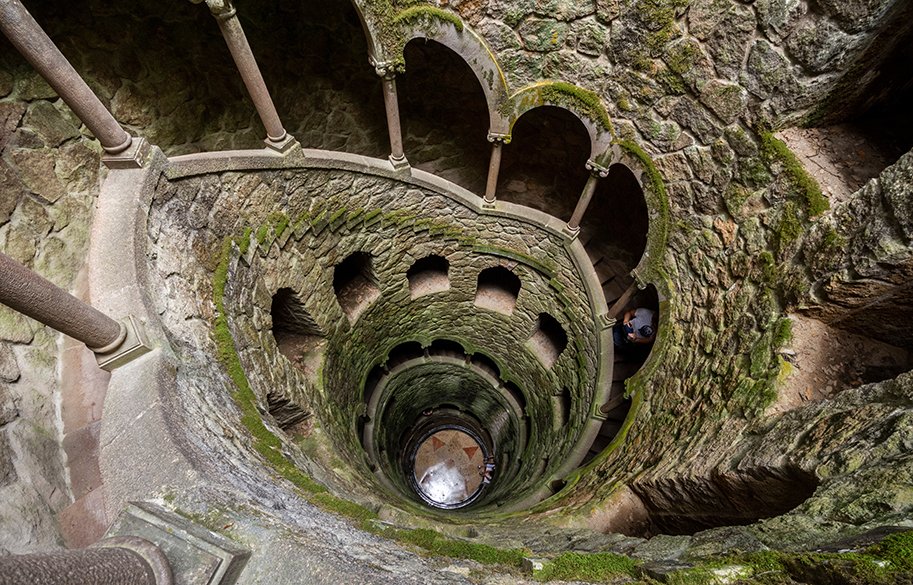
The Coolest, Weirdest Things to Actually Go See in Portugal

Unraveling Local Legends Through Travel
