
Releasing Baby Sea Turtles: A Magical Conservation Experience at the Marriott Puerto Vallarta
When most people think about resort activities in Puerto Vallarta, they picture poolside cocktails and beach volleyball. But the Marriott Puerto Vallarta offers something far more meaningful: the chance to help endangered sea turtles make their first journey to the ocean. And let me tell you, holding a baby sea turtle in your hands as it scrambles toward the surf is the kind of experience that stays with you long after your tan fades.

Michael and I have documented wildlife conservation efforts across the globe, from penguin research on Robben Island to tracking Magellanic penguins in their natural habitats. But there’s something uniquely powerful about participating in a conservation program where your contribution, however small, makes an immediate and visible difference. That’s something that can easily get lost in most field research.
The Marriott’s sea turtle release program operates during nesting season, typically from July through December, when olive ridley and leatherback sea turtles return to Puerto Vallarta’s beaches to lay their eggs. The resort works with local conservation organizations to protect these nests from predators and poachers, carefully relocating eggs to protected hatcheries on the property.

We joined the release at sunset, when the heat of the day had mellened and the beach had taken on that golden glow that makes everything feel a bit magical. The resort’s environmental coordinator gathered our small group and explained what we were about to witness. “These turtles hatched just this morning,” she told us. “They’ve been waiting in the hatchery for the right temperature. Now it’s time for them to go home.”
Each participant was given a small turtle to release. I held mine in my cupped palms, this impossibly tiny creature, no bigger than a silver dollar, with flippers already moving frantically as if it knew exactly where it needed to be. The weight of evolutionary history felt heavy in that moment. Sea turtles have been making this journey for over 100 million years, surviving dinosaurs, ice ages, and everything nature could throw at them. And now their biggest threat is us.

“Set them down at the waterline,” the coordinator instructed. “Let them make the journey on their own. It helps build the strength they’ll need.”
Michael and I knelt in the sand and placed our turtles down simultaneously. What happened next was both chaotic and beautiful, dozens of tiny turtles scrambling determinedly toward the waves, their flippers moving in that distinctive swimming motion even though they were still on sand. They knew. Somehow, they just knew.
The journey from sand to sea took only minutes, but watching our turtle navigate the small dunes, avoid debris, and finally meet its first wave felt epic. That tiny creature disappeared into the vastness of the Pacific, where it would face countless dangers, only one in a thousand sea turtles survives to adulthood.
“Will they come back?” someone in our group asked.
“The females will,” the coordinator explained. “In about fifteen to twenty years, she’ll return to this very beach to lay her own eggs. They always come home.”
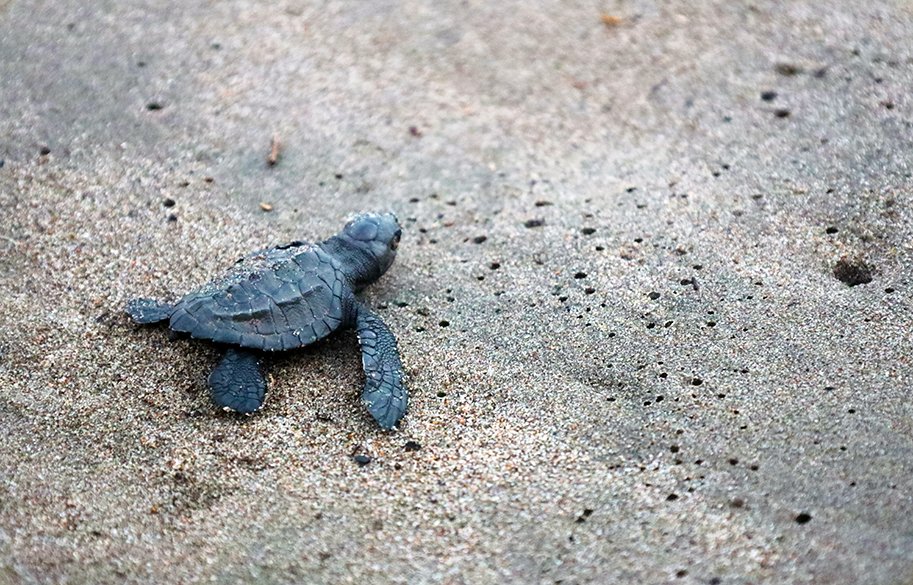
As the sun set over Puerto Vallarta and the last turtles disappeared into the waves, I thought about how conservation doesn’t always have to be grand or complicated. Sometimes it’s as simple as giving a tiny creature a fighting chance, protecting a nest, releasing a hatchling, and trusting that nature will do the rest.
The Marriott Puerto Vallarta’s sea turtle program isn’t just a resort activity—it’s a living reminder that tourism and conservation can work together, that luxury and environmental responsibility aren’t mutually exclusive, and that sometimes the most magical experiences are the ones where we get to be part of something bigger than ourselves.
Recent Podcast Episodes

Recent Adventures



Subscribe Today!
Subscribe
Your Ad Here!

Other Adventures You May Like

Nils Olav, the Penguin the Norwegian Army Keeps Promoting

A Guide to Caravan Sales in NSW for First-Time Buyers
