The Phossy Jaw Epidemic: The Deadly Cost of 19th-Century Matches and Industrial Apathy
In the 19th century, something as small and ordinary as a matchstick carried a level of risk most people never saw. Lighting a candle or starting a fire didn’t seem dangerous. The problem wasn’t the match itself… it was how it was made, and who had to make it. At the center of it was white phosphorus, a substance widely used in match production because it was cheap and highly effective. It ignites easily, which made matches more reliable and accessible at a time when fire-starting still required effort.
But white phosphorus also came with a cost that wasn’t immediately obvious to the people using the final product. For the workers manufacturing these matches, especially in poorly regulated factories, exposure over time led to a disease that became known as “phossy jaw.” It wasn’t rare, and it wasn’t accidental. It was a direct result of how the industry operated.
How Match Production Actually Worked
To understand why this happened, it helps to look at the process itself. In the early match industry, workers, many of them women and children, were responsible for dipping wooden sticks into chemical mixtures that included white phosphorus. This work was repetitive, low-paid, and carried out in enclosed spaces with minimal ventilation.
Fumes were constant. Protective equipment didn’t really exist in any meaningful way, and workers were often exposed for long hours every day. White phosphorus is highly toxic, especially when inhaled or absorbed over time. But at the time, the risks weren’t fully understood—or, in some cases, were simply ignored because the material was effective and inexpensive. So production continued the same way, even as the consequences started to become visible.
What “Phossy Jaw” Actually Was
“Phossy jaw” wasn’t just a nickname. It described a very real and severe condition. Medically, it was a form of phosphorus necrosis of the jaw, where exposure to white phosphorus led to the gradual death of bone tissue in the jaw. It usually started with toothaches or swelling in the gums. Over time, it progressed into abscesses, infections, and visible damage to the jawbone itself. In advanced cases, parts of the bone would begin to decay and break down.
There was often a distinct, unpleasant smell associated with the condition, which made it difficult to hide. In some cases, the affected bone would even glow faintly in the dark due to the phosphorus. Treatment options were limited. Surgery to remove affected sections of the jaw was sometimes attempted, but it was risky and not always successful. Without intervention, the condition could spread and become life-threatening. It wasn’t a quick illness—it developed over time, which made it easier for factories to overlook or dismiss, especially in the early stages.
Who It Affected
The people most at risk were factory workers, particularly young women. Match production was one of the few types of industrial work available to women at the time, which meant large numbers of them were employed in these conditions. The pay was low, the hours were long, and workers often had little choice but to stay.
If someone became ill, they could be dismissed without compensation. There was no structured healthcare system to support them, and little incentive for factory owners to change conditions. This created a situation where the cost of production was effectively being absorbed by the workers themselves, through their health.
What Companies Knew (and Didn’t Do)
One of the more uncomfortable parts of this history is that the risks didn’t remain unknown for long. By the mid-19th century, there was already evidence linking white phosphorus exposure to serious health problems. Cases of phossy jaw had been documented, and the connection to match factories was becoming clearer.
At the same time, safer alternatives were starting to exist. Red phosphorus could be used in match production with significantly lower health risks, particularly when applied to the striking surface rather than the match head.
The problem was cost. Switching to safer methods required changes in production, and those changes were more expensive. For many manufacturers, especially in competitive markets, there wasn’t much incentive to adopt them voluntarily. So even as the dangers became more widely recognized, production using white phosphorus continued in many places.
Public Pressure and the Turning Point
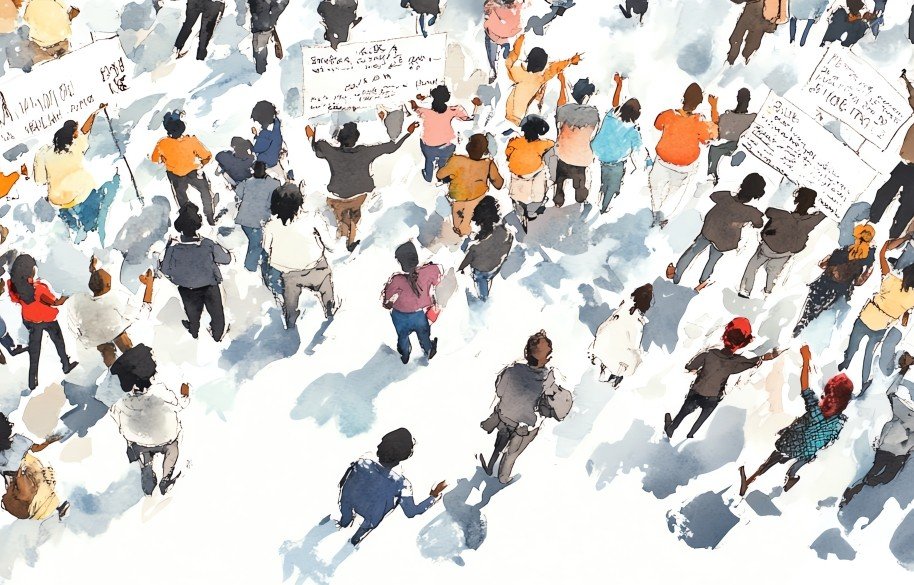
Change didn’t come immediately, and it didn’t come from industry alone. Public awareness grew gradually, helped by medical reports, journalism, and eventually worker activism. One of the most significant moments was the Matchgirls’ Strike of 1888, where workers protested not only low wages but also unsafe working conditions.
The strike brought attention to the realities of match factory labor, including the risk of phossy jaw. It wasn’t the only factor, but it played an important role in shifting public opinion and increasing pressure on manufacturers.
Over time, governments began to intervene. Regulations were introduced, and the use of white phosphorus in match production was gradually restricted or banned in multiple countries. By the early 20th century, international agreements, including the Berne Convention of 1906, formalized these changes.
The transition away from white phosphorus led to the widespread adoption of “safety matches.” These matches separate the reactive components—placing red phosphorus on the striking surface rather than the match head itself. This significantly reduces the risk during both manufacturing and use.
It’s the system still used today. The change seems straightforward in hindsight, but it took decades of evidence, public pressure, and worker suffering to make it standard.
Recent Podcast Episodes

Recent Adventures



Subscribe Today!
Subscribe
Your Ad Here!

Other Adventures You May Like

Kitty Genovese and the “38 Witnesses” Story That Turned Out to Be Wrong
The Rohonc Codex: The Other Undeciphered Manuscript Nobody Can Crack