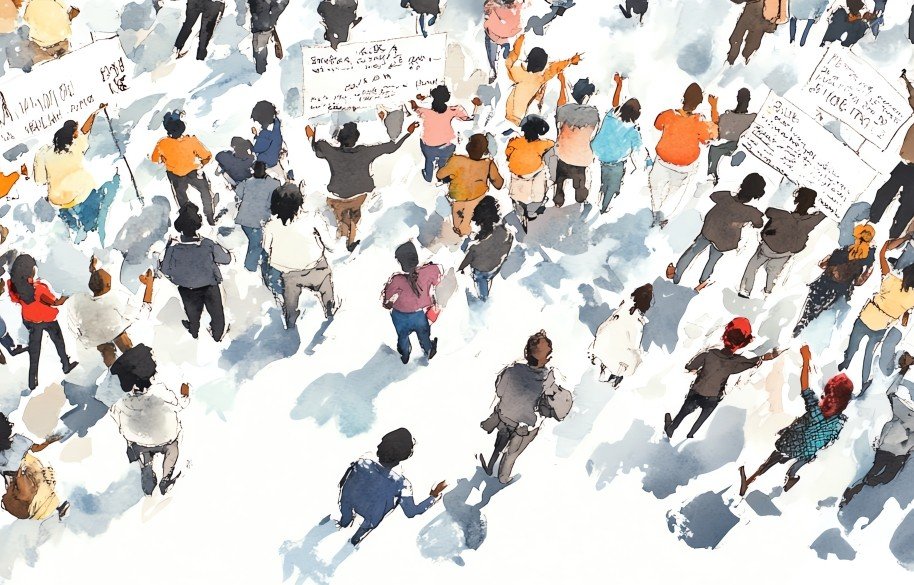
The Strange (But Weirdly Comforting) Science of Luck
Luck is one of those things that sits quietly in the background of our lives — always there, always influencing us, even when we don’t realize it. It’s the invisible variable in every plan we make, every decision we second-guess, every story we tell ourselves about why things worked out or didn’t.
Some people swear they’re lucky. Others are convinced the universe has it out for them. Most of us fall somewhere in between — we hope for good fortune, throw salt over our shoulders, knock on wood, check our horoscopes, and still end up late to the one meeting that actually mattered.
But what’s fascinating is that science, of all things, has tried to make sense of it. Not the rabbit’s-foot kind of luck, but the real-world, measurable patterns that separate “lucky” people from everyone else. And the results are strangely comforting, in the kind of way that makes you realize life might not be as random as it feels.
The People Who Noticed What Others Missed
There’s a psychologist named Richard Wiseman who spent years studying luck — not as magic, but as a mindset. He interviewed hundreds of people who considered themselves either very lucky or very unlucky, trying to find what set them apart. He expected random differences, maybe even personality quirks. But what he found was something deeper: lucky people literally see the world differently.
He ran a simple test. He gave volunteers a newspaper and asked them to count the photos. On the second page, in giant black letters, was a note that said: “Stop counting. There are 43 photos in this newspaper.” The lucky ones spotted it almost immediately. The unlucky ones didn’t — they were too focused on the task to notice the answer right in front of them.
That’s when it clicked: “luck” isn’t about fate or superstition, it’s about attention. Lucky people are open to the unexpected. They notice patterns, coincidences, subtle shifts in chance. They aren’t rigidly focused on what’s supposed to happen — which means they’re the first to notice when something better does. It’s not that good things happen to them. It’s that they’re more likely to see the good things happening.
How Belief Bends Probability
Once you start looking at luck this way, it changes how you see almost everything. Because if luck is a mindset, then optimism, curiosity, and openness are basically its building blocks.
Think about it: people who expect good things to happen tend to make choices that allow good things to happen. They say yes to opportunities. They talk to strangers. They take the scenic route, which might be slower but leads them somewhere new. That openness changes outcomes. Not magically — mathematically.
When you give yourself more chances, you create luck. And when you walk around convinced that nothing ever goes your way, you subconsciously stop reaching for the small moments that might prove you wrong.
It’s not mystical. It’s behavioral. But there’s something quietly beautiful about that — that our relationship with luck might be less about stars and more about how wide we’re willing to open our eyes.
Synchronicity and the Universe’s Little Winks
Of course, no conversation about luck feels complete without brushing against synchronicity — Carl Jung’s elegant word for meaningful coincidences. The kind that feel too strange to ignore. You know the ones: you dream about someone you haven’t spoken to in years, and they call you the next morning. You miss a train, and it ends up saving you from something worse. You stumble on a job listing ten minutes after deciding you need to quit.
Jung didn’t claim it was magic. He thought the universe might have a kind of underlying order — something that connects inner and outer events through meaning rather than logic. Whether you believe that or not almost doesn’t matter. Because even if coincidences are random, our awareness of them isn’t. The act of noticing them, of giving them meaning, says something deeply human about how we look for connection in chaos.
Bad Luck, Good Lessons
The funny thing about bad luck is how often it turns out not to be bad at all — at least not forever. Losing a job can push you toward something you would’ve never dared to try. Missing a flight might make you meet someone who changes your life. Getting your heart broken might strip away everything false and make room for something real.
When you zoom out far enough, a lot of “bad luck” starts to look like rerouting — like life quietly editing your path while pretending to ruin it. We don’t call it luck when it hurts, but maybe we should. Because luck doesn’t always look like winning — sometimes it looks like being forced to grow.
The Science That Feels Suspiciously Like Hope
There’s another study I love — one that shows how people who believe they’re lucky actually perform better in random games of chance. Not because they’re psychic, but because they stay calm. They don’t sabotage themselves with stress. They play longer, notice patterns faster, and take smarter risks.
Lucky people, in that sense, aren’t chosen — they’re tuned in. They notice the cracks where the light gets in. They expect the world to surprise them, and so it does. And maybe that’s what’s so comforting about the science of luck — it gives you back a sense of agency.
Recent Podcast Episodes

Recent Adventures



Subscribe Today!
Subscribe
Your Ad Here!

Other Adventures You May Like
Kitty Genovese and the “38 Witnesses” Story That Turned Out to Be Wrong
The Rohonc Codex: The Other Undeciphered Manuscript Nobody Can Crack